
Key Takeaways
- Car scratches vary in severity, from light clear coat marks to deep scratches that expose bare metal and increase the risk of rust.
- Common causes of scratches include improper washing, parking lot damage, road debris, tree branches, and accidental contact with objects.
- Minor scratches and swirl marks can often be repaired at home using polishing compounds, touch-up paint, and scratch repair kits.
- Deep scratches that reach the primer or metal usually require professional repairs to prevent corrosion and restore appearance properly.
- Safe washing methods, careful parking, and protective coatings can help reduce the risk of future scratches.
- Regular vehicle cleaning and quick repair of small paint damage help maintain appearance and long-term value.
- Preventive maintenance and protective habits are often more affordable than major paint or body repairs later.
Car scratches are one of the most common cosmetic problems vehicle owners face. Even careful drivers eventually notice small marks, scuffs, or scratches on their vehicles. These scratches may happen from parking lot accidents, road debris, tree branches, improper washing techniques, or everyday wear and tear.
Although some scratches are only minor cosmetic issues, others can expose the metal beneath the paint and increase the risk of rust and long-term damage. Understanding the different types of car scratches can help vehicle owners choose the right repair methods and protect their vehicle’s appearance over time.
The good news is that not all scratches require expensive body shop repairs. Some can be fixed with simple DIY methods, while deeper damage may need professional attention.
This guide explains the common types of car scratches, what causes them, repair options, and helpful prevention tips to keep vehicles looking their best.
Understanding the Layers of Car Paint
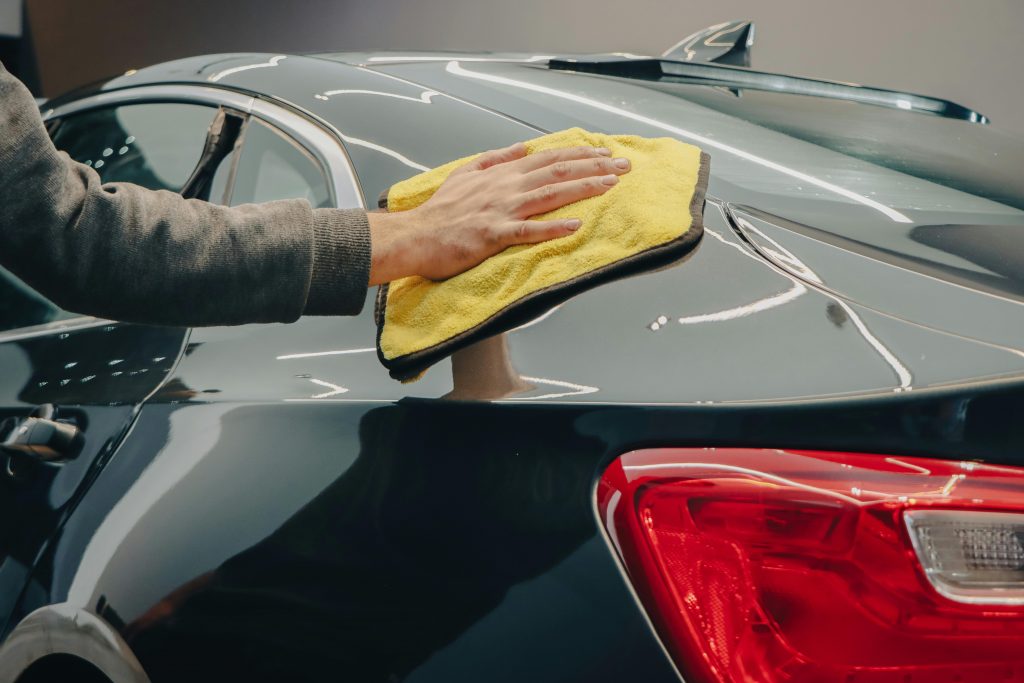
Before learning about scratch types, it helps to understand how car paint is structured.
Most modern vehicles have several paint layers:
- Clear coat
- Base coat (color)
- Primer
- Metal body panel
The severity of a scratch depends on how deeply it penetrates these layers.
Minor scratches may only affect the clear coat, while deeper scratches can reach the primer or exposed metal.
Knowing the depth of the damage helps determine the best repair approach.
Clear Coat Scratches
Clear coat scratches are the lightest and most common type of car scratch.
These scratches only affect the transparent protective layer on top of the paint.
Common Causes of Clear Coat Scratches
- Automatic car washes
- Dust and dirt during washing
- Improper drying towels
- Small branches
- Minor contact with objects
These scratches often appear:
- Light
- Thin
- Swirl-like
- Visible under sunlight
How to Identify Clear Coat Scratches
A simple test is running your fingernail across the scratch.
If your nail does not catch, the scratch is likely only in the clear coat.
Repair Options for Clear Coat Scratches
Minor clear coat scratches can often be repaired with:
- Scratch removers
- Polishing compounds
- Buffing pads
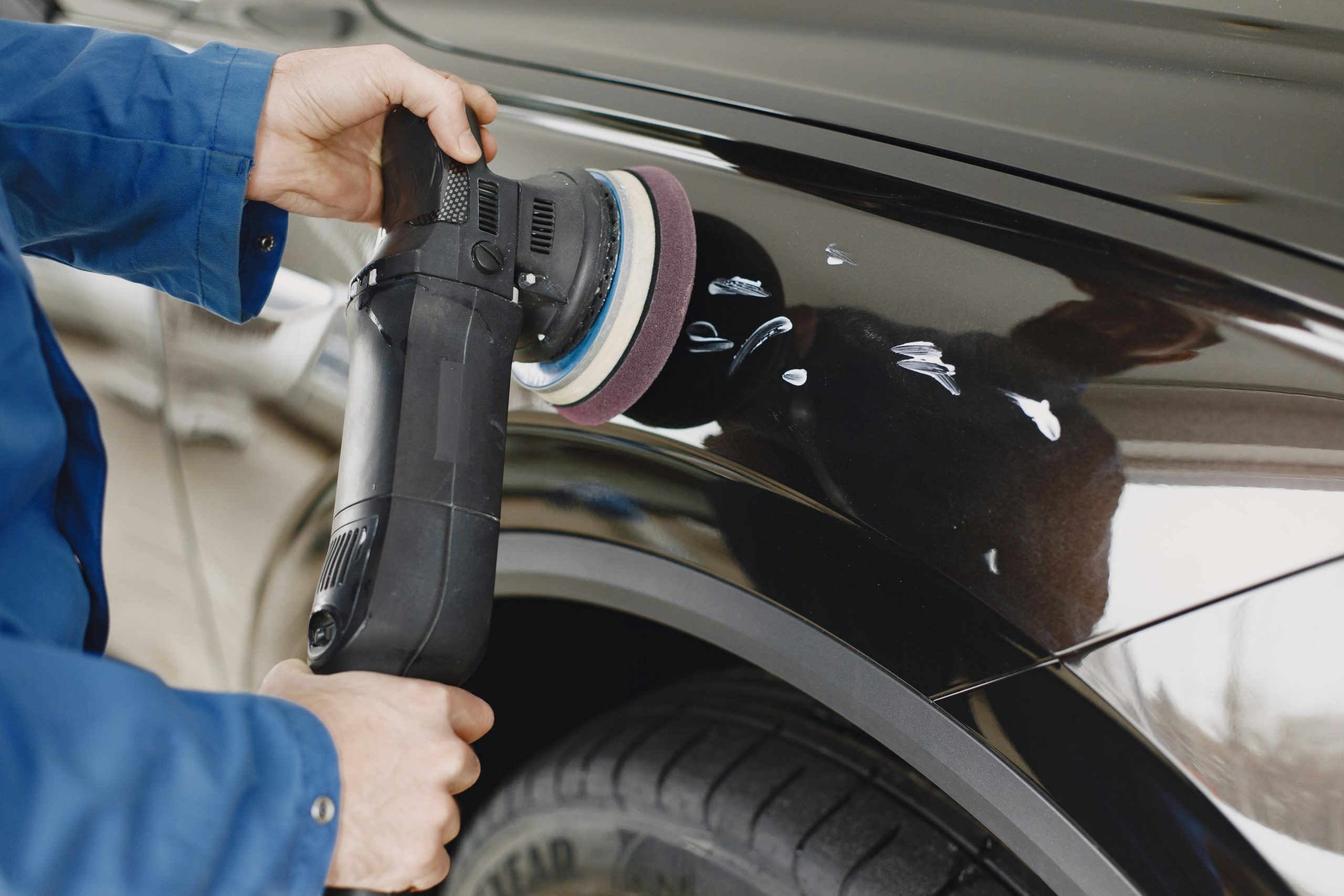
- Dual-action polishers
In many cases, polishing smooths the surrounding clear coat enough to reduce or completely remove the scratch.
Paint Scratches
Paint scratches go deeper than the clear coat and affect the vehicle’s color layer.
These scratches are more visible and may expose lighter-colored primer beneath the paint.
Common Causes of Paint Scratches
- Keys
- Shopping carts
- Bike handles
- Door impacts
- Rough contact with objects
Paint scratches often require more repair work than clear coat scratches.
Repair Options for Paint Scratches
Possible repair methods include:
- Touch-up paint
- Paint pens
- Wet sanding
- Polishing
- Professional repainting
Touch-up paint works best on smaller scratches.
Larger paint damage may require blending and professional refinishing for smoother results.
Primer Scratches
Primer scratches are deeper and more serious.
These scratches cut through:
- Clear coat
- Paint layer
- Primer layer
The scratch may appear gray, white, or dull depending on the primer color.
Why Primer Scratches Matter
Primer scratches leave the vehicle more vulnerable to:
- Rust
- Moisture damage
- Paint peeling
Prompt repair is important to prevent long-term body damage.
Repair Options for Primer Scratches
Primer-level scratches usually require:
- Sanding
- Primer application
- Paint matching
- Clear coat finishing
Professional body shops often provide the best results for deeper scratches.
Deep Scratches Exposing Bare Metal
The deepest scratches expose the metal beneath all paint layers.
These scratches are serious because exposed metal can rust quickly when exposed to moisture and air.
Common Causes of Deep Scratches
- Accidents
- Scraping walls or poles
- Major impacts
- Road debris
Signs of Bare Metal Scratches
- Visible silver metal
- Rough texture
- Sharp edges
- Early rust formation
Repair Options for Deep Scratches
Deep scratches often require:
- Rust removal
- Sanding
- Primer
- Repainting
- Clear coating
Professional repair is usually recommended for severe damage.
Swirl Marks
Swirl marks are fine circular scratches that commonly appear on dark-colored vehicles.
These marks are usually caused by improper washing or drying techniques.
Common Causes of Swirl Marks
- Dirty wash mitts
- Automatic brushes
- Rough towels
- Circular wiping motions
Swirl marks become especially visible under bright sunlight.
Repairing Swirl Marks
Most swirl marks can be corrected through:
- Polishing
- Paint correction
- Machine buffing
Proper washing methods help prevent future swirl marks.
Scuff Marks vs. Scratches
Not every mark on a car is a true scratch.
Scuff marks are often surface-level material transfers from another object.
Common Causes of Scuff Marks
- Minor parking lot contact
- Rubber transfers
- Light scraping
Scuffs may sometimes be removed using:
- Rubbing compounds
- Clay bars
- Specialized cleaners
These repairs are often simpler than repairing actual scratches.
How Weather Affects Scratches
Weather can worsen scratch damage over time.
Sun Exposure
UV rays may:
- Fade paint
- Dry out clear coat
- Increase paint deterioration
Rain and Moisture
Water entering deep scratches may cause:
- Rust
- Corrosion
- Paint bubbling
Snow and Road Salt
Salt accelerates rust formation on exposed metal areas.
Protecting scratches quickly helps reduce weather-related damage.
DIY Scratch Repair Options
Many vehicle owners prefer DIY repair methods for minor scratches.
Common DIY Repair Products
- Scratch repair kits
- Touch-up paint
- Microfiber towels
- Polishing compounds
- Buffing pads
DIY repairs are usually most successful for:
- Light scratches
- Small paint chips
- Surface-level damage
However, improper repairs may sometimes worsen the appearance.
When Professional Repairs Are Best
Some scratches require professional help.
Consider visiting a body shop if:
- Metal is exposed
- Rust appears
- Paint matching is difficult
- Damage is large or deep
Professionals have specialized equipment for:
- Paint blending
- Color matching
- Sanding
- Clear coating
While professional repairs cost more, they often produce smoother and longer-lasting results.
The Importance of Paint Matching
Modern vehicles use specific paint codes to match factory colors.
Poor paint matching can make repairs highly visible.
Vehicle paint codes are usually found:
- Inside the driver’s door
- Under the hood
- In owner manuals
Accurate paint matching improves repair appearance significantly.
Preventing Car Scratches
Preventing scratches is usually easier and cheaper than repairing them.
Safe Parking Habits
Park:
- Away from crowded areas
- Farther from shopping carts
- In garages when possible
Choosing safer parking spaces reduces accidental damage risk.
Wash Cars Properly
Improper washing is one of the biggest causes of scratches.
Safer Washing Tips
- Use microfiber wash mitts
- Rinse dirt first
- Use separate rinse buckets
- Dry with clean microfiber towels
Avoid:
- Dirty sponges
- Rough brushes
- Automatic brush car washes
Gentle washing protects the clear coat.
Apply Wax or Ceramic Coatings
Protective coatings create barriers against minor scratches and environmental damage.
Benefits of Wax
- Adds shine
- Protects paint
- Repels water
- Reduces surface friction
Ceramic Coatings
Ceramic coatings provide longer-lasting protection than traditional wax.
They may help reduce:
- Minor scratches
- Dirt buildup
- Water spots
However, coatings do not make vehicles completely scratch-proof.
Be Careful Around Trees and Bushes
Branches and shrubs can scratch vehicles easily.
Avoid parking:
- Under low branches
- Near overgrown bushes
- In tight wooded areas
Even soft-looking branches can leave noticeable marks.
Keep the Vehicle Clean
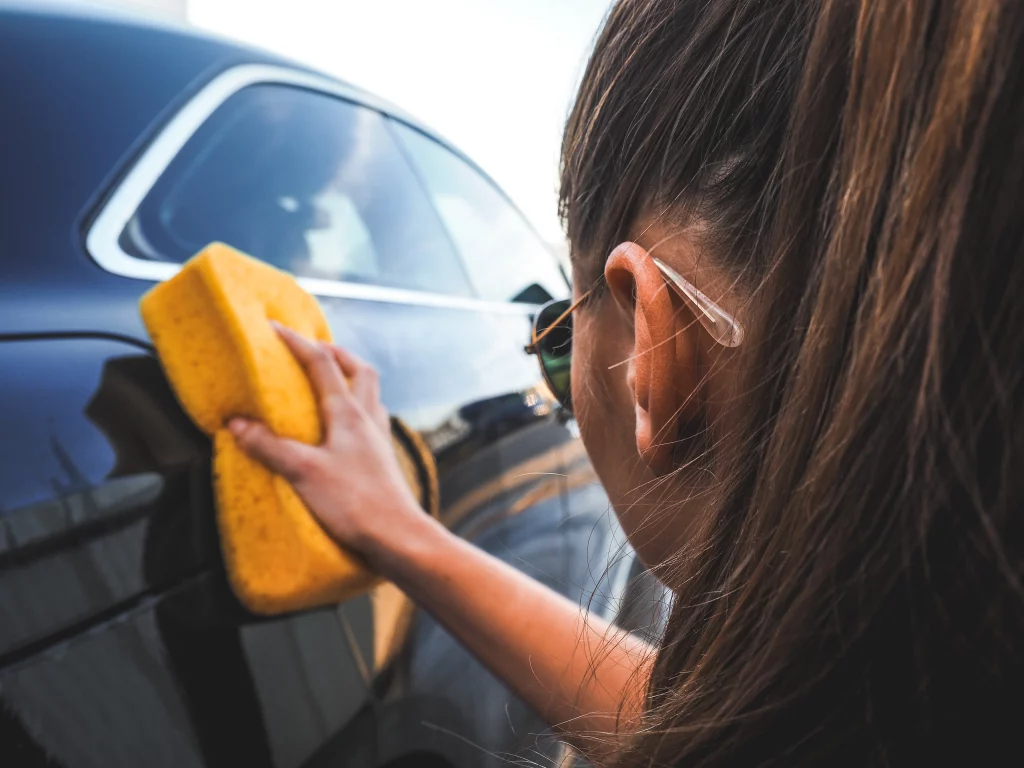
Dirt and debris can act like sandpaper on paint surfaces.
Regular washing helps remove:
- Dust
- Road salt
- Bird droppings
- Tree sap
Clean paint is less likely to develop surface scratches during washing.
Repair Scratches Early
Small scratches can worsen over time if ignored.
Early repair helps prevent:
- Rust
- Paint peeling
- Corrosion
- More expensive repairs
Quick action often saves money long-term.
Paint Protection Film
Paint protection film, often called PPF, is a transparent protective layer applied to vulnerable vehicle areas.
Common PPF locations include:
- Front bumpers
- Hoods
- Mirrors
- Door edges
PPF helps reduce damage from:
- Rocks
- Debris
- Minor scratches
Although installation can be expensive, it offers strong long-term paint protection.
Why Vehicle Appearance Matters
A vehicle’s appearance affects:
- Pride of ownership
- Resale value
- Overall condition perception
Keeping paint in good shape supports both appearance and long-term value.
Cosmetic care is also part of improving vehicle performance and comfort because well-maintained vehicles often feel more enjoyable to drive and own.
Common Scratch Repair Mistakes
Some DIY mistakes can worsen scratches.
Mistakes to Avoid
- Using rough cloths
- Over-sanding
- Incorrect paint colors
- Skipping clear coat
- Applying too much pressure while buffing
Following instructions carefully helps improve results.
Understand the Limits of DIY Repairs
Not every scratch can be made invisible at home.
Deep scratches often remain somewhat visible even after repair.
The goal of many DIY repairs is improvement, not perfection.
Professional repairs may still be needed for show-quality finishes.
Protecting Vehicle Value Over Time
Maintaining paint condition is one of many ways to improve vehicle longevity because rust and corrosion can eventually affect structural components if left untreated.
Protective habits such as:
- Washing regularly
- Repairing scratches early
- Waxing
- Proper parking
help preserve both appearance and long-term condition.
Preventive care usually costs less than major repairs later.
Seasonal Car Care Helps Too
Different seasons create different risks for paint damage.
Winter
- Road salt
- Ice scrapers
- Sand debris
Summer
- UV damage
- Tree sap
- Dust buildup
Fall
- Falling branches
- Leaves trapping moisture
Seasonal maintenance helps reduce paint wear year-round.
Final Thoughts
Car scratches are a common part of vehicle ownership, but understanding the different types of scratches can help drivers choose the best repair and prevention methods. Some scratches are only minor cosmetic issues, while deeper scratches can lead to rust and more serious damage if ignored.
Light clear coat scratches can often be repaired at home using polishing products, while deeper paint or metal damage may require professional body shop repairs. Preventive habits such as careful washing, safe parking, regular waxing, and quick repairs can help protect vehicle paint and maintain appearance over time.
Consistent maintenance and attention to small problems early can help vehicles stay cleaner, more attractive, and better protected for years to come.
About the Author