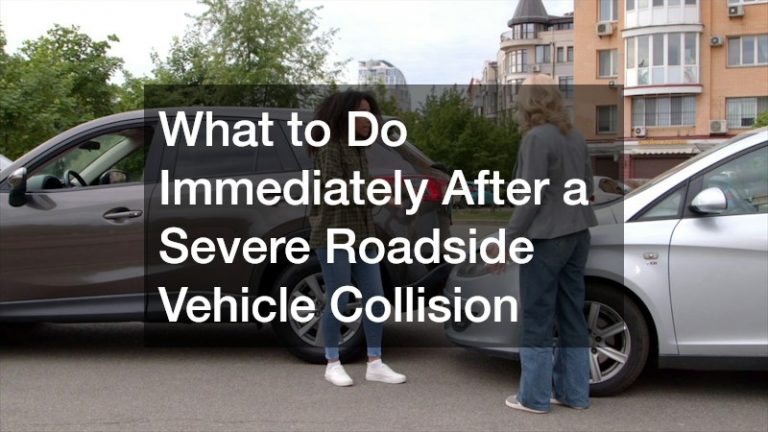

The sound of twisting metal and shattering glass leaves an unforgettable mark on a driver’s memory. In the seconds following a car accident, adrenaline surges through the human body, making clear thinking a massive challenge. Safety must remain the first priority during these chaotic moments. Drivers need to check themselves and passengers for visible injuries before exiting the vehicle. If the car is still operational, moving it to the shoulder helps prevent secondary collisions from oncoming traffic. Turning on hazard lights creates a warning zone for other motorists. Once the area is secure, calling emergency services brings police and medical personnel to document the incident. If the vehicle suffered severe structural damage, it would not be drivable. In these cases, arranging professional towing becomes necessary to clear the roadway and transport the asset to a secure holding lot. Waiting safely behind a guardrail is always smarter than standing near an active lane of traffic.
Gathering Critical Evidence and Protecting Legal Rights
Once everyone is safe, the process of documenting the scene begins. Drivers should exchange license numbers, insurance details, and phone numbers with all involved parties. Using a smartphone to take clear pictures of vehicle positions, license plates, and road conditions provides undeniable proof later. It is also wise to look around for bystanders who witnessed the impact, as their unbiased statements can settle disputes quickly. Avoid arguing about fault or apologizing at the scene, because casual statements can be used out of context during investigations. Many people do not realize that injuries can take days to manifest due to delayed shock. Securing representation from a qualified local car accident lawyer early ensures that your rights are fully protected from aggressive insurance adjusters. An experienced legal advocate handles the paperwork and negotiates settlements while the injured individual focuses entirely on physical recovery.
Getting Off the Road Safely and Assessing Vital Fluids
A vehicle might look functional after a minor collision, but hidden mechanical dangers often lurk beneath crumpled plastic panels. Operating a car with a cracked radiator or a punctured oil pan can destroy the engine within minutes. Drivers should look under the front bumper for dripping fluids like green coolant or dark motor oil. Strange noises, fluid puddles, or a vibrating steering wheel indicate that internal components have shifted. Even if the car drives straight, taking it directly to a certified auto repair shop for an initial diagnostic scan is the safest choice. Modern vehicles rely heavily on complex electrical systems and sensors that can malfunction after a sudden jolt. Professional mechanics use specialized computer tools to read error codes that are invisible to the naked eye. Addressing these mechanical flaws early prevents small problems from escalating into expensive breakdowns.
The Unique Protocols for Heavy Commercial Transports
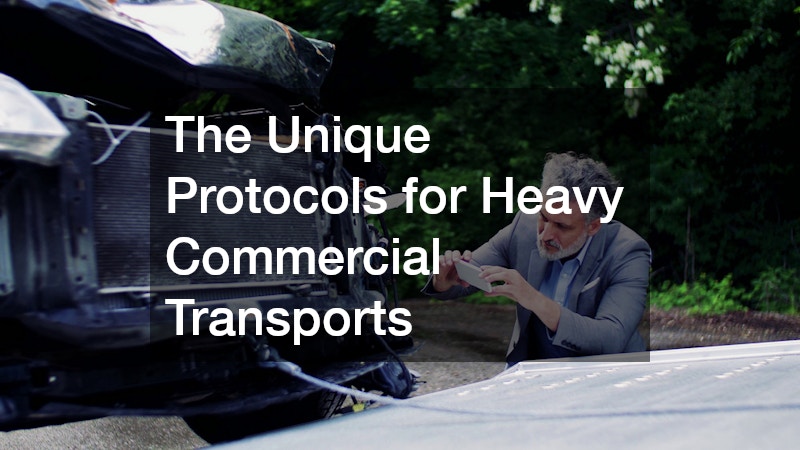
When an accident involves a larger vehicle, logistics and repair requirements change completely. Delivery vans, box trucks, and large commercial rigs handle physical forces differently than standard passenger sedans. Their heavy frames and complex air brake systems demand specialized mechanical knowledge. A regular garage simply does not have the heavy-duty lifts or oversized bays required to service these massive machines. Professional truck repair requires specialized technicians who understand diesel engines, heavy drivetrains, and commercial safety regulations. Fleet managers must ensure these vehicles are restored perfectly to avoid costly company downtime and corporate liability. Commercial vehicles are subject to strict enforcement standards, meaning a careless patch job could result in the vehicle being ordered off the road during an inspection. Working with industrial specialists ensures that large transportation assets return to service safely.
Demystifying the Official Insurance Adjustment Process
Filing an insurance claim marks the beginning of financial recovery. Drivers must contact their insurance provider promptly to report the incident and start the paperwork. The company will assign a claims adjuster to review the details of the crash, read police reports, and examine vehicle damage. Property damage estimates cannot rely purely on visual guesswork from smartphone pictures. The insurance provider will typically require a formal vehicle inspection conducted by a certified estimator to determine the exact cost of parts and labor. This detailed evaluation serves as the baseline for the entire insurance payout. Owners have the legal right to choose where their car gets fixed, regardless of the direct-repair programs recommended by insurance representatives. Understanding the breakdown of the written estimate helps consumers advocate for original manufacturer parts rather than cheap aftermarket alternatives.
How to Identify Elite Structural Facilities
Selecting a destination for physical reconstruction requires careful research. The automotive repair industry includes a wide variety of shops, but not all possess the specialized machinery required for major frame reconstruction. Car owners should actively look for certified auto body shops that feature advanced framework equipment and modern downdraft paint booths. A reputable facility will proudly display certifications from organizations like I-CAR, proving technicians undergo continuous training on modern vehicle materials. High-strength steel and aluminum require specific welding techniques that standard shops cannot replicate. Asking about written warranties on both paint and structural work provides peace of mind before leaving a vehicle behind. Reading independent online reviews and checking business ratings helps separate top-tier operations from shops that cut corners to maximize profits.
Restoring Frame Geometry and Safety Shell Integrity
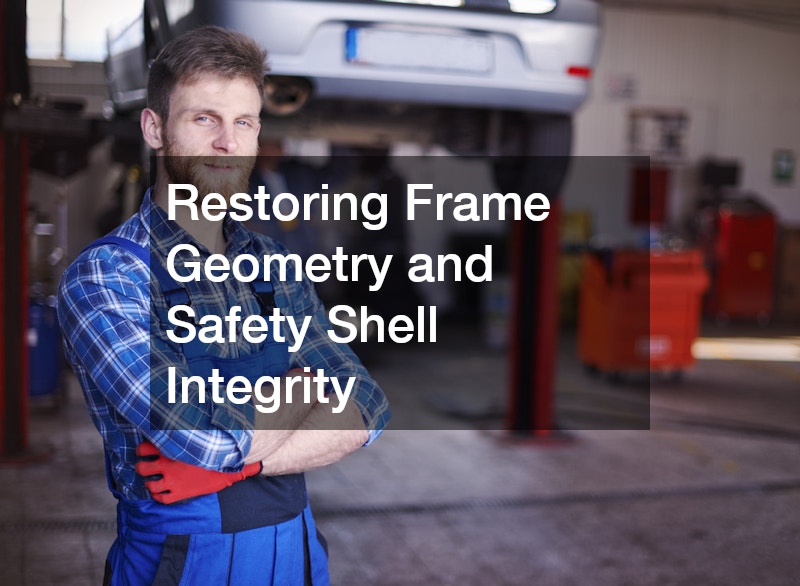
Modern automobiles are built with intricate safety cages and precise crumple zones designed to protect human occupants by absorbing impact energy. When a violent collision warps these areas, the vehicle loses its ability to protect passengers in a subsequent crash. True restoration requires specialized collision repair to pull the frame back to factory specifications using computerized measuring systems. Technicians secure the car to a massive steel bench and use hydraulic towers to apply precise counter-pressure to warped structural members. This delicate process ensures that the suspension, doors, and safety components align perfectly. Ignoring slight frame misalignments can cause rapid tire wear, strange handling characteristics, and compromised airbag deployment systems. Investing in precise structural reconstruction guarantees that the vehicle remains just as safe as it was the day it rolled off the assembly line.
Re-establishing Structural Clarity and Glass Safety
The glass components of a modern vehicle do far more than shield the interior from wind and rain. Windshields provide structural strength to the passenger cabin, helping support the roof during a rollover accident and keeping airbags positioned correctly when they deploy. A shattered or deeply cracked front window represents a major safety hazard that requires immediate professional intervention. Utilizing a qualified auto glass replacement service ensures that the correct grade of adhesive is applied under precise temperature controls. Modern glass installations also require calibration of front-facing cameras used for lane-departure warnings and automatic emergency braking systems. Skipping this vital step can cause a vehicle’s advanced safety features to miscalculate distances, endangering everyone on the highway. Professional technicians use specialized optical tools to align these cameras perfectly after the new glass is cured.
Advanced Techniques for Minor Cosmetic Dents
Not every highway mishap involves structural frame damage or shattered glass. Low-speed impacts, stray shopping carts, and severe hailstorms frequently cause minor surface dents that leave the factory paint completely unharmed. For these situations, traditional body filler and costly repainting are entirely unnecessary. Savvy car owners utilize paintless dent removal to restore exterior panels quickly and affordably. Specialized technicians use custom-designed metal rods and reflective lighting to access the rear side of the damaged panel. They carefully massage the metal back into its original shape without cracking the delicate, clear coat finish. This innovative technique preserves the original factory paint, which keeps vehicle value high and cuts repair times down from weeks to just a few hours. Because no painting is required, owners avoid the risk of mismatched color panels.
Evaluating Total Loss Scenarios and Choosing a Replacement
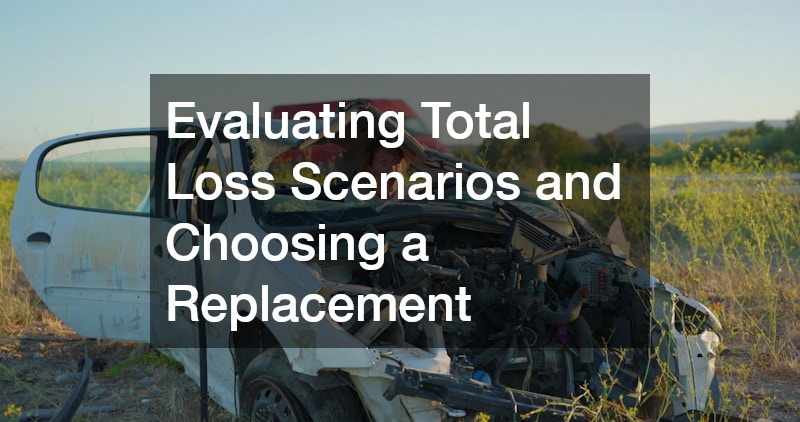
Sometimes, structural or mechanical damage to a vehicle is simply too extensive to justify reconstruction. If the total estimate for parts and labor approaches the actual cash value of the car, the insurance provider will declare it a total loss. In this scenario, the insurer writes a check for the market value of the vehicle prior to the accident, minus any deductibles. The consumer must face the task of finding a reliable replacement vehicle in a short amount of time. Visiting a trusted used auto dealer allows buyers to explore certified pre-owned options that fit their current budget. It is important to inspect the history reports of any potential replacement vehicle to ensure it has a clean title and no past structural damage. Taking time to research options prevents a driver from rushing into another loan under stressful conditions.
The Essential Post-Fix Safety Assessment
Once a vehicle leaves the reconstruction facility, the journey is not finished. Before returning to a normal commuting routine, ensuring everything works seamlessly requires a thorough validation process. A final vehicle inspection ensures that all safety systems, exterior lights, and mechanical linkages operate exactly as intended. Driving a vehicle that has undergone extensive structural changes requires total confidence in the quality of workmanship. It is recommended to take the car to an independent auto repair shop for a quick secondary assessment of suspension alignment and fluid lines. This extra precaution catches small mistakes, like loose plastic clips or uncalibrated sensors, before they cause real trouble on the road. A neutral third-party mechanic provides an unbiased opinion on whether primary fixes were executed properly, giving the car owner absolute reassurance.
Managing Secondary Issues and Future Roadside Help
A vehicle can sometimes develop subtle quirks weeks after major work is completed. Strange vibrations at highway speeds or faint electrical glitches might surface once the car experiences normal driving stress. Keeping a detailed log of completed work and parts receipts makes addressing these secondary issues much simpler. For drivers who operate commercial fleets or drive long distances for work, having a proactive emergency plan prevents future roadside panics. Knowing a reliable commercial service provider for heavy-duty towing ensures that large assets are never left stranded on dangerous highway shoulders. Keeping contact information for a trusted truck repair specialist handy ensures that commercial fleet vehicles receive rapid mechanical attention when components fail far from home. Preparation remains the ultimate shield against the unpredictable nature of vehicular travel.
Finalizing Legal Settlements and Diminished Value Claims
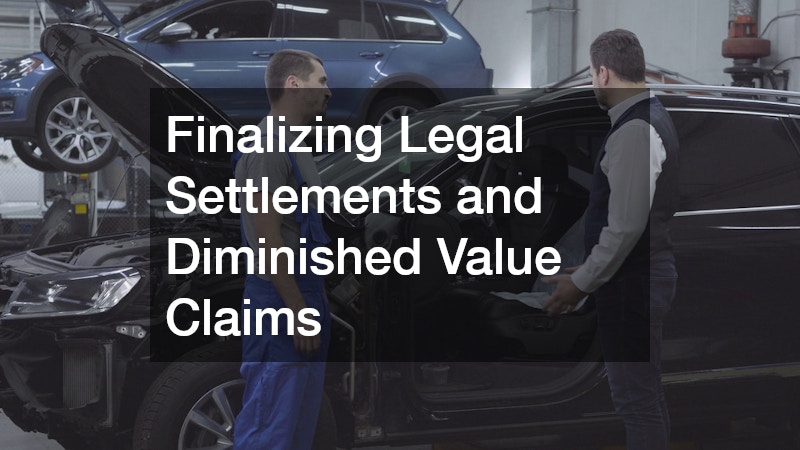
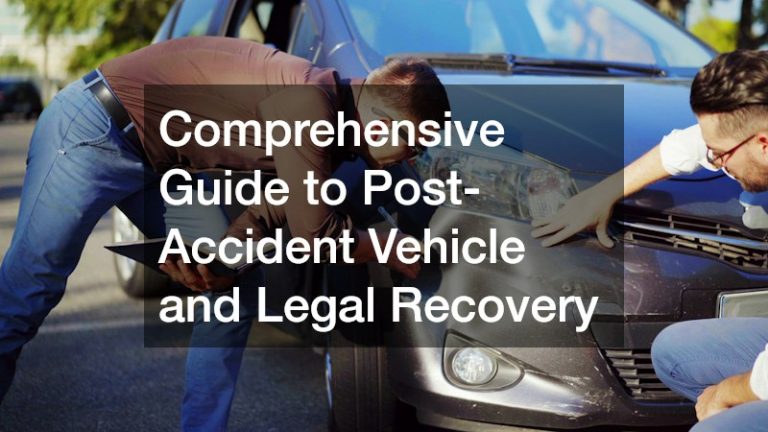
The financial impact of a car accident extends far beyond initial invoices for parts and labor. Even when a vehicle is restored to flawless physical condition, its historical record now carries an accident flag that permanently lowers its resale worth. This drop in financial equity is known as inherent diminished value. A strategic local car accident lawyer can help owners file a secondary claim to recover this lost financial value from the at-fault driver’s insurance company. Proving diminished value requires clear documentation, initial repair estimates, and expert market assessments. Working exclusively with certified auto body shops provides the clean paper trail needed to win these specialized financial disputes. Insurance companies rarely offer diminished value compensation voluntarily, making professional legal advocacy essential for recovering true financial loss.
Restoring Complete Value and Aesthetic Perfection
The emotional recovery from an accident often finishes when the vehicle finally looks and drives like it did before the incident. Erasing all physical signs of an impact requires a seamless blend of mechanical mastery and artistic precision. High-quality collision repair focuses on bringing hidden structural elements back to safe parameters, while the exterior finish requires identical dedication. Utilizing paintless dent removal for minor outer blemishes ensures that the original factory clear coat remains untouched across non-impact zones. When paint matching is required, master painters use computerized spectrophotometers to blend the new finish seamlessly into existing panels. This care ensures that the vehicle looks uniform under direct sunlight, removing visual reminders of the crash and helping the owner move past the stressful experience completely.
Ensuring Flawless Vision and Long-Term Value Retention
Maintaining a pristine vehicle after an accident involves paying attention to the finest details, including the clarity of cabin glass. A flawless windshield ensures optimal visibility during night driving and severe weather conditions. Relying on an expert auto glass replacement service guarantees that the glass perimeter is sealed completely against moisture and wind noise. When the time comes to trade the vehicle in or upgrade to a newer model, having documentation for every professional fix preserves maximum trade-in equity. A reputable used auto dealer will appreciate a well-organized folder containing certified receipts, proving that the owner never cut corners on vehicle maintenance. Following this comprehensive post-accident blueprint transforms a chaotic roadside emergency into a structured, manageable path toward physical, legal, and mechanical recovery.
About the Author