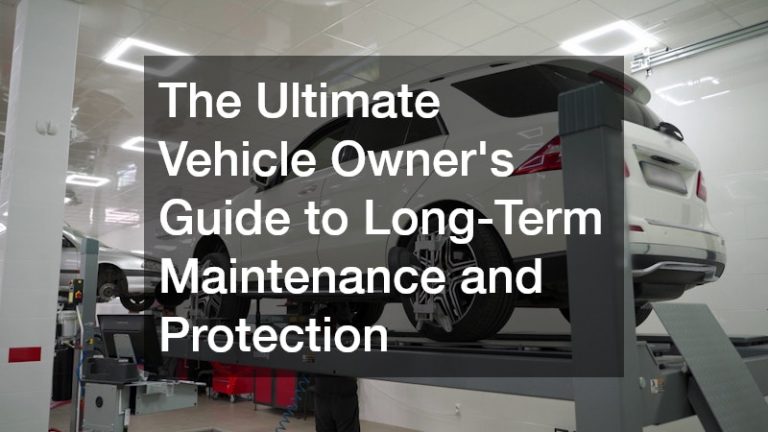

Car accidents are a stressful experience for any driver, and seeing your vehicle damaged—sometimes severely—can be overwhelming. However, a reputable auto collision center has the expertise and equipment to bring even heavily damaged vehicles back to life. Understanding the process of collision repair can help you feel more confident about what to expect and how your vehicle will be restored to safe, road-ready condition.
Here’s a detailed look at how wrecked cars are repaired, step by step.
Initial Inspection and Damage Assessment
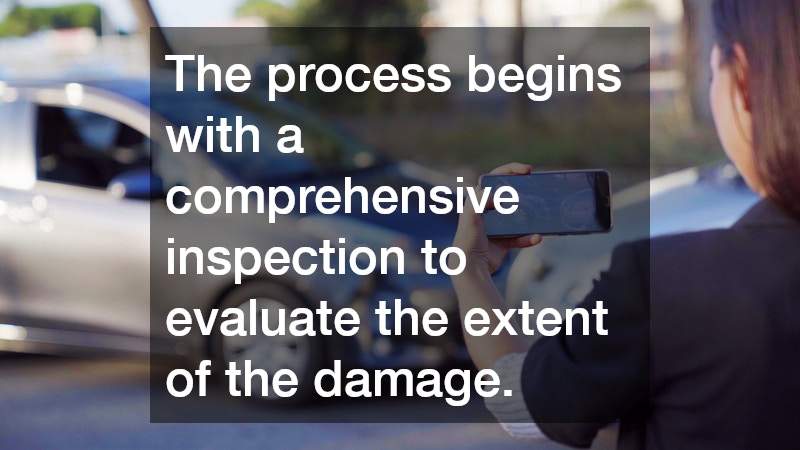
The process begins with a comprehensive inspection to evaluate the extent of the damage. When you bring your vehicle to an auto collision center, technicians conduct both a visual assessment and use digital diagnostics to uncover hidden issues. While external damage like dents, crushed panels, and shattered glass is easy to spot, the real danger may lie beneath the surface.
Technicians look for frame misalignment, bent suspension components, or internal engine bay damage that could affect performance or safety. After the assessment, a detailed repair estimate is created and shared with you and your insurance company. This estimate outlines all necessary parts, labor, and timeframes.
Disassembly and Structural Repairs
Once repairs are approved, your vehicle enters the disassembly phase. This step involves removing damaged panels, bumpers, lights, and any affected trim to expose the vehicle’s frame and structure. If the vehicle has unibody construction (which most modern cars do), specialized equipment such as frame straighteners or laser measurement systems are used to bring the frame back to factory specifications.
This stage is crucial for ensuring the vehicle’s alignment and crash safety are fully restored. A high-quality auto collision center will use computerized tools to verify all frame points match the manufacturer’s original dimensions before moving forward with cosmetic repairs.
Mechanical and Suspension Repairs
If the accident impacted mechanical systems, such as the radiator, suspension, steering components, or drivetrain, these parts will be replaced or repaired next. These repairs must be done before any cosmetic work begins to ensure the vehicle functions properly once it’s reassembled.
Many auto collision centers partner with certified mechanics or have in-house specialists to handle these tasks. In cases of major engine or transmission damage, the car might be sent to a dealership for manufacturer-specific repairs.
Body Work and Panel Replacement
With structural and mechanical repairs complete, attention shifts to the body. This stage involves straightening panels, fixing dents, and preparing the surfaces for painting. If any panels—such as doors, hoods, or fenders—are too damaged to fix, they’ll be replaced entirely.
Panel alignment is a top priority at this stage. Professionals ensure that new or repaired panels fit perfectly and that all gaps between them are even. This step contributes not only to aesthetics but also to the aerodynamic integrity and safety of the car.
Paint Preparation and Repainting
Before painting, the vehicle goes through sanding, priming, and masking. These tasks are essential for creating a smooth, clean surface and preventing overspray on undamaged areas. Once prepped, the vehicle enters a paint booth where layers of paint and clear coat are applied to match the original factory color.
State-of-the-art auto collision centers use computerized color matching to ensure consistency, especially for vehicles with specialty or metallic finishes. After painting, the surface is baked, cured, and buffed to achieve a seamless look.
Reassembly and Final Checks
With the painting complete, all parts are reinstalled, including trim pieces, lights, bumpers, and badges. Any remaining cosmetic touches—such as polishing or detailing—are completed to restore the vehicle’s showroom appearance.
But the work doesn’t stop there. A professional auto collision center performs a final inspection to verify all systems are functioning properly. This may include test-driving the vehicle, running diagnostic scans, and recalibrating sensors (especially important for modern vehicles with ADAS, or Advanced Driver Assistance Systems).
Insurance Coordination and Paperwork
Most auto collision centers handle the logistics of working with your insurance company, streamlining approvals, payments, and billing. They may also assist with rental car arrangements and help you understand your warranty coverage for the repairs performed.
This level of customer service ensures you’re not left managing a frustrating paperwork trail during an already stressful situation.
Post-Repair Support and Warranties
Quality collision repair shops back their work with warranties, offering peace of mind that the repairs will hold up over time. In many cases, these warranties cover both labor and parts, and some shops offer lifetime coverage for paint and body work.
It’s important to choose a collision center that stands by its repairs, not just for peace of mind, but also to maintain your vehicle’s resale value and structural integrity.
Getting into a car accident is never easy, but knowing how the repair process works can ease some of the stress and uncertainty. From the moment your vehicle enters the shop to the final safety checks, a reputable auto collision center follows a meticulous process designed to restore your car to its pre-accident condition—or better.
By choosing experienced professionals who use advanced equipment and high-quality parts, you can ensure your vehicle is not only cosmetically flawless but also structurally sound and safe for the road ahead. Whether it’s a minor fender bender or major collision, the right repair team makes all the difference.
About the Author