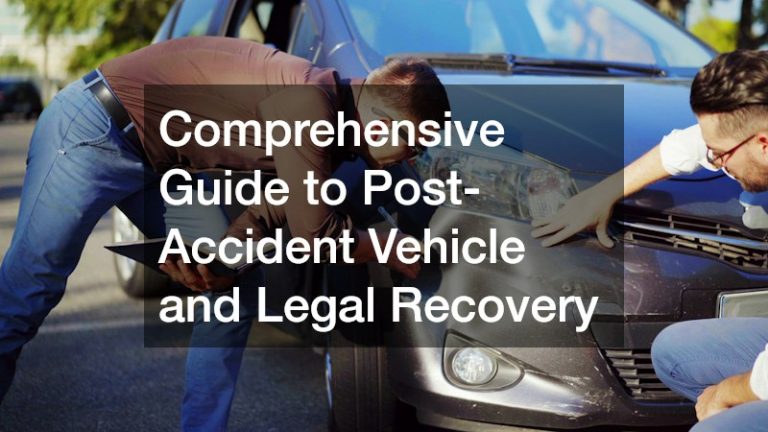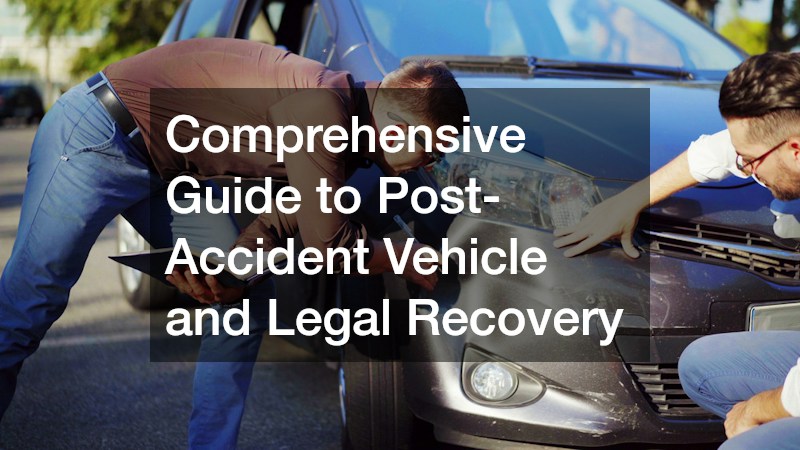

Getting into a motor vehicle crash is one of the most disorienting experiences a driver can face. In a matter of seconds, you are forced to deal with physical shock, potential injuries, property damage, and a wave of logistical decisions. The steps you take immediately following an incident—and in the weeks that follow—will directly impact your physical health, your financial stability, and the ultimate market value of your vehicle.
Navigating the aftermath of a collision requires a clear, systematic approach. You must balance two distinct recovery paths at the same time: restoring your vehicle to its pre-crash safety standards and protecting your legal rights against insurance entities. This guide provides a detailed, step-by-step roadmap designed to help you handle emergency logistics, legal claims, mechanical repairs, structural reconstruction, and final quality verifications.
1. Immediate On-Scene Protocols and Emergency Response
The moments immediately following an impact are critical for personal safety and evidence preservation. Before thinking about body shops or insurance claims, your main priority must be securing the scene and making sure nobody is in immediate danger.
Securing the Scene and Safeguarding Passengers
First, take a breath and check yourself and your passengers for injuries. Adrenaline can mask severe pain, so move carefully. If the vehicle is in a dangerous location—such as the middle of a high-speed highway lane—and is still drivable, move it safely to the shoulder or a nearby parking lot. Turn on your hazard lights right away to alert oncoming traffic. If the vehicle cannot be moved, switch off the ignition to lower the risk of fire, leave the vehicle if it is safe to do so, and wait behind a highway guardrail.
Call 911 immediately. Report your exact location, the number of vehicles involved, and any visible injuries. Even in minor fender benders, having a law enforcement officer present to file an official police report creates an unbiased record of the event. While waiting for emergency crews, avoid arguing with other drivers or admitting fault. Simple statements like “I didn’t see you” or “I’m so sorry” can be interpreted as an admission of liability later on.
Evacuation Logistics and Safe Extraction
Once safety is established, document the scene as thoroughly as possible. Take wide-angle photos of the entire crash area, including skid marks, road conditions, traffic signals, and vehicle positioning, as well as close-up shots of all property damage. Exchange contact and insurance information with all drivers, and collect names and phone numbers from any witnesses.
Evaluating whether your vehicle is safe to drive away is a major decision. Fluid leaks underneath the engine, dragging body panels, broken lighting, airbag deployment, or compromised steering all mean the car should not be driven. Moving a compromised vehicle can cause severe internal engine damage or lead to a second crash. In these situations, you will need to arrange for a specialized towing service to haul your vehicle directly to a secure storage yard or an accredited repair facility. Requesting professional roadside transport prevents further mechanical damage and keeps you from violating state roadway safety laws.
2. Navigating Medical Care, Legal Protection, and Early Claims
Once your vehicle is safely transported and you have left the scene, your focus must shift toward personal health and legal protections. The early decisions you make regarding medical evaluations and insurance conversations set the foundation for your entire claim.
Prioritizing Medical Evaluations and Documentation
Even if you feel fine at the scene, seek a medical evaluation within 24 to 48 hours. Many common collision injuries—such as whiplash, internal bleeding, soft tissue sprains, and concussions—do not show symptoms right away. Delaying medical care creates a gap in your documentation that insurance adjusters will use to argue your injuries were not caused by the crash.
Keep a detailed record of every medical visit, prescription, physical therapy session, and out-of-pocket expense. Document how your injuries affect your day-to-day life, including missed workdays and physical limitations. This paper trail is essential evidence when seeking full compensation for medical bills and lost earnings.
Protecting Your Rights and Managing Insurance Adjusters
Dealing with insurance companies can be surprisingly difficult. Adjusters are trained to minimize payouts and settle claims as quickly and cheaply as possible. You are required to notify your own insurance provider promptly about the accident, but you should speak cautiously when contacted by the other driver’s insurance representative.
Here are key guidelines to follow when managing early claim interactions:
-
Avoid giving recorded statements to the opposing insurance company until you have consulted a legal professional.
-
Never sign blanket medical releases or early settlement offers that close your claim before you know the full extent of your injuries and repair costs.
-
Stick strictly to the factual details of the crash without speculating on speeds, distances, or fault.
-
Keep a centralized file containing the police report number, claim numbers, contact details for all adjusters, and copies of all written communications.
If you sustain significant injuries, face disputed liability, or encounter uncooperative insurance companies, partnering with a knowledgeable car accident attorney is often the best way to safeguard your interests. A legal representative handles all negotiations, calculates the true long-term costs of your claim, fights back against lowball settlement tactics, and makes sure you receive fair financial recovery while you focus on healing.
3. Structural Evaluation and Major Body Reconstruction
Modern vehicles are engineered with complex safety systems and crumple zones designed to absorb impact energy and protect the passenger cabin. Restoring a damaged vehicle requires far more than popping out dents and applying fresh paint; it demands precise structural reconstruction.
Structural Integrity Inspections
When a vehicle suffers a major impact, the structural frame or unibody architecture can shift out of factory specification. Even a slight twist in the frame can compromise the car’s crashworthiness, alter safety sensors, and cause uneven tire wear.
A thorough structural inspection relies on advanced diagnostic tools:
-
Three-Dimensional Laser Measuring: Technicians map the vehicle’s frame against original factory measurements to detect hidden shifts down to the millimeter.
-
Unibody Alignment Equipment: Hydraulic pulling systems carefully restore twisted structural components to their exact original dimensions.
-
Component Stress Assessments: Structural engineers check high-strength steel and aluminum crash rails for micro-fractures or metal fatigue that could cause failure in a future crash.
Certified Reconstruction and Refinishing
Once the underlying structure is verified and straightened, panel reconstruction begins. Damaged sheet metal, composite panels, and impact bumpers must be either repaired using specialized tools or replaced entirely.
Selecting an accredited facility certified in comprehensive auto body repair ensures that technicians use the proper welding techniques, corrosion protection, and factory-approved structural adhesives. Insisting on Original Equipment Manufacturer (OEM) parts rather than low-grade aftermarket alternatives guarantees that replacement panels fit correctly and meet original crash safety standards. After structural repairs are complete, computerized paint-matching technology applies multi-stage primers, basecoats, and clear coats to restore the finish and protect the metal from rust.
4. Specialized Mechanical Systems and European Vehicle Care
While exterior body damage is easy to spot, the mechanical and electronic damage underneath can be far more complex. Modern cars are sophisticated computers on wheels, and even a low-speed impact can disrupt delicate mechanical systems and safety sensors.
Diagnostic Scans and Mechanical Inspections
A vehicle involved in a collision often suffers mechanical issues that aren’t visible right away. Impact forces can crack engine mounts, damage cooling radiators, sever electrical wiring harnesses, or rupture air conditioning lines.
Partnering with a reliable, full-service car repair service ensures that every mechanical component damaged during the crash is diagnosed and repaired alongside the cosmetic bodywork.
Specialized Engineering and Brand-Specific Standards
European luxury and performance vehicles feature unique engineering designs, lightweight composite materials, and complex electronic architectures that require specialized care. These vehicles often use aluminum space frames, complex multi-link suspension setups, and network-connected control units that demand specialized tools and repair methods.
If you drive a high-performance European vehicle, taking it to a facility qualified in specialized Audi repair guarantees that technicians have the factory training and tools needed to work on advanced drivetrain systems, turbocharged engines, and complex aluminum body structures. European platforms also feature Advanced Driver Assistance Systems (ADAS)—including adaptive cruise control, lane-keeping radar, and automatic braking—that must be precisely recalibrated to factory specifications using specialized targets after any body or mechanical work.
5. Heavy-Duty Systems, Drivetrain, and Powertrain Restoration
Impact forces travel directly through a vehicle’s mechanical components. Drivetrain and powertrain assemblies absorb severe kinetic energy during a crash, leading to internal component failures that might not be obvious until you drive the car again.
Drivetrain Diagnostics and Component Restoration
The drivetrain—which includes the transmission, driveshafts, differentials, and axles—is vulnerable to shock loads during a collision. A direct hit to a front wheel can push an axle shaft inward, cracking the internal casing of the transmission or damaging constant-velocity (CV) joints.
Ignoring drivetrain issues can cause complete power delivery failure down the road. Working with experienced technicians trained in complex transmission repairs ensures that internal gear damage, cracked casings, and torque converter misalignments are fixed before they lead to costly breakdowns.
Heavy-Duty and Commercial Powertrain Recovery
Heavy-duty vehicles, work trucks, and diesel-powered platforms present unique challenges after an accident. These vehicles carry larger engine blocks, high-pressure fuel delivery systems, heavy-duty turbochargers, and complex exhaust aftertreatment setups that require specialized repair techniques.
Restoring these complex, heavy-duty systems requires specialized facilities equipped for detailed diesel repair. Experienced technicians understand how to work on high-torque powertrains and ensure commercial vehicles meet emissions and safety standards before returning to service.
6. Glass Replacement, Advanced Safety Recalibration, and Steering
Safety in a modern vehicle depends heavily on the condition of its glass and the alignment of its steering and suspension systems. The windshield is actually a structural component of the passenger cabin, and improper installation can put your safety at risk.
Windshield Integrity and ADAS Calibration
The windshield does far more than block wind and rain; it provides up to 30% of a vehicle’s structural roof strength during a rollover and acts as a backstop for front passenger airbag deployment. A cracked or compromised windshield loses its structural integrity and must be replaced immediately after a crash.
Entrusting this work to certified professionals specializing in auto glass replacement guarantees that the new windshield fits perfectly, adheres securely, and keeps your onboard camera systems operating accurately.
Suspension Dynamics and Steering Corrections
Collisions often force a vehicle’s tires into curbs, guardrails, or other cars, sending severe impact energy straight through the steering and suspension systems. Bent tie rods, distorted control arms, damaged struts, or shifted subframes make the vehicle pull to one side, cause severe tire wear, and impair steering control.
After replacing damaged suspension components, the vehicle must undergo a comprehensive four-wheel alignment. Using computerized optical targets, technicians adjust camber, caster, and toe angles back to original factory specifications. Proper alignment restores straight-line driving stability, ensures predictable cornering, and prevents premature tire replacement.
7. Complete Repair Verification and Insurance Settlement Finalization
The final phase of post-accident recovery is bringing together all the repair work, conducting quality checks, and closing out your financial and legal claims.
Comprehensive Service Management and Direct Pay
Managing body repairs, mechanical work, glass replacement, and sensor calibration across multiple shops can be stressful and lead to communication delays. Choosing a facility that offers end-to-end auto collision services simplifies the process by handling every phase of repair under one roof.
Final Quality Inspections and Claim Closures
Before accepting your vehicle back from the repair shop, perform a thorough final inspection. Take your time walking around the car in good lighting and testing its operation.
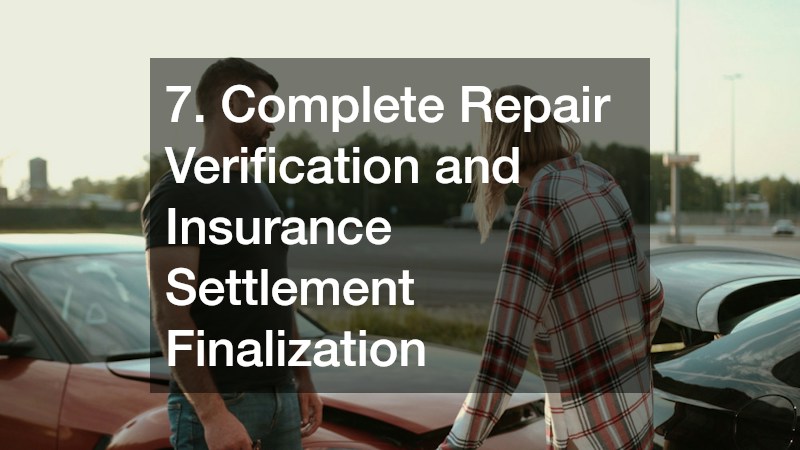
Once you are satisfied with the physical repairs, focus on your final financial settlement. In addition to repair costs, you may be entitled to claim Diminished Value—the market value your vehicle loses simply because it now has a recorded accident history. Working with your legal team to secure a fair diminished value payment ensures you recover true financial losses before signing a final release waiver.
Using This Guide for Post-Accident Recovery
Recovering from a vehicle collision requires patience, attention to detail, and a structured approach. By prioritizing immediate scene safety, seeking prompt medical evaluation, securing qualified legal guidance, and choosing certified repair professionals, you can protect both your personal well-being and your financial investment.



About the Author