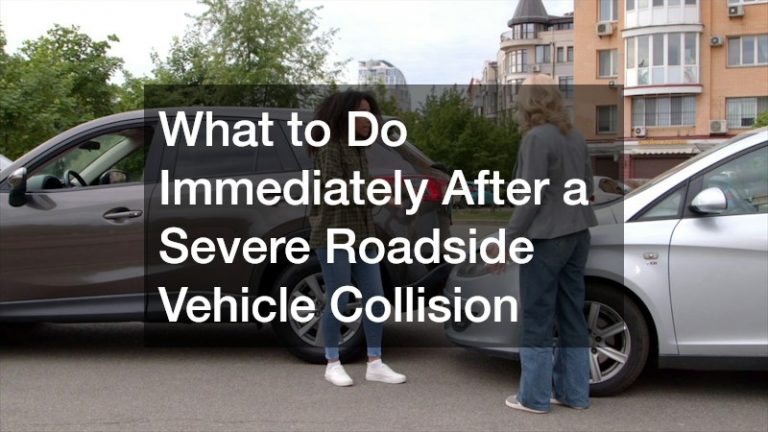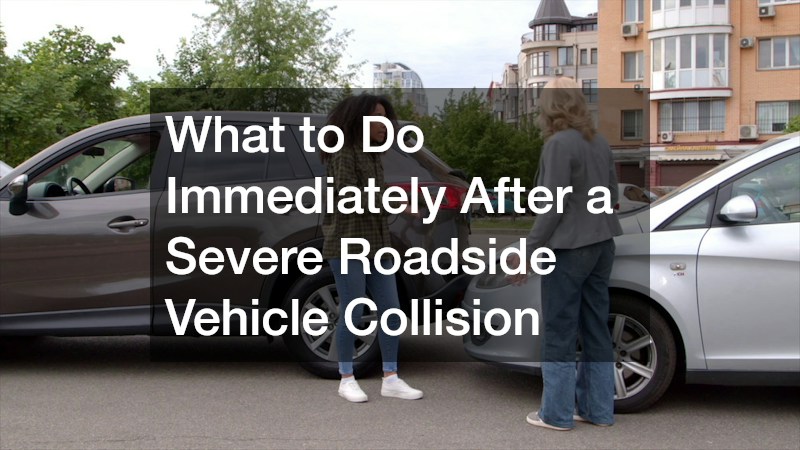

The moments immediately following a severe roadside collision are chaotic, disorienting, and overwhelming. High-impact crashes trigger a surge of adrenaline that can cloud judgment precisely when clear, decisive action is most critical. Beyond the immediate shock, the decisions made on the shoulder of the highway during the first sixty minutes shape physical recovery, financial exposure, and the eventual restoration or replacement of the vehicle.
Handling a severe collision requires a systematic approach. From securing physical safety on the asphalt to coordinating mechanical repairs, navigating complex claims, and protecting legal rights, every step forms a chain of custody for personal safety and asset recovery. This guide outlines the essential steps needed to navigate the aftermath of a major crash calmly, methodically, and effectively.
On-Scene Safety and Medical Assessment
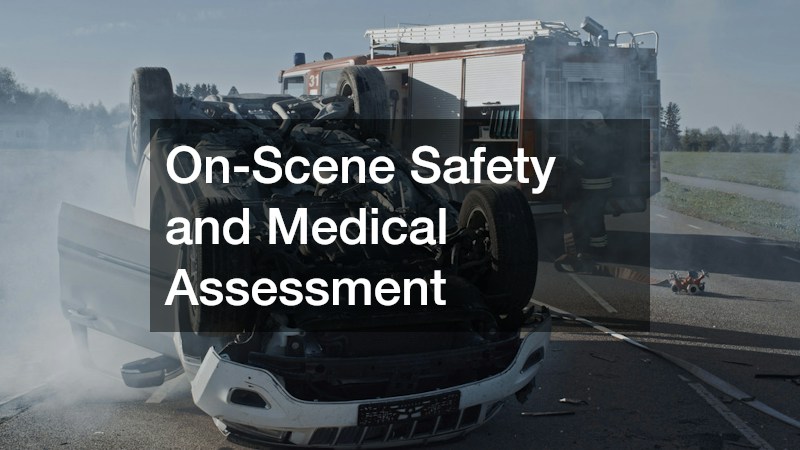
Following any serious vehicular collision, the paramount consideration must be to ensure the immediate safety of everyone involved and to prevent any additional injury or danger. The aftermath of a high-speed accident often transforms the roadside into an extremely perilous environment.
Securing the Immediate Area
Before undertaking any evaluation of the damage sustained by vehicles or property, priority must be given to ensuring the overall safety of the scene. This action helps to avert the occurrence of secondary accidents, which are unfortunately common when drivers approaching the scene do not realize there is stopped traffic ahead. Taking precautionary measures to secure the area is vital to minimize further risk.
-
Activate Hazard Lights: The first step should be to immediately engage the vehicle’s hazard lights. These flashing lights signal to other drivers that there is an unusual situation, increasing awareness and caution. If the vehicle’s electrical system is still functioning and you find yourself in a precarious position on the road, turning on the interior lights can also be beneficial, especially in low-light conditions, as they further enhance the visibility of your vehicle.
-
Turn Off the Engine: It’s crucial to turn off the vehicle’s engine to eliminate any risk of ignition sources, particularly in cases where the smell of gasoline is noticeable, or if there are visible vapors emitting from the engine bay. These conditions may indicate a gasoline leak or other volatile situations that could lead to a fire or explosion if the engine continues running.
-
Evaluate the Surrounding Environment: Take a moment to assess the situation outside before making any decisions. Use your vehicle’s mirrors and side windows to check for oncoming traffic and ensure it has stopped or moved away from your vicinity. In scenarios where your vehicle is positioned on a narrow shoulder or in close proximity to a blind turn, remaining inside the vehicle with seatbelts fastened might be safer than attempting to exit into potentially dangerous traffic.
-
Deploy Early Warning Indicators: If exiting the vehicle is deemed safe, further safeguard the area by placing reflective safety triangles or lighting emergency flares a considerable distance, typically several hundred feet, behind your vehicle.
Conducting Medical Assessments
Trauma often masks severe injury due to the body’s natural stress response. Systematically check everyone involved before moving anyone unnecessarily.
-
Self-Evaluation: Take a moment to assess your own condition. Check for numbness, severe pain, deep lacerations, or difficulty breathing before attempting to move.
-
Assess Passengers: Check each passenger for responsiveness. Avoid moving anyone who complains of neck or back pain, numbness, or tingling, as moving an individual with a spinal injury can cause permanent damage.
-
Check Other Vehicles: If you are physically capable and the roadway is safe to cross, visually inspect other involved vehicles to determine if occupants are conscious, trapped, or requiring immediate life-support measures.
Emergency Coordination and Scene Evidence
Once physical safety is established, formal emergency coordination must begin. The information gathered during these initial minutes serves as the foundational record for medical professionals, law enforcement officers, insurance adjusters, and legal representatives.
Communicating with Dispatchers and Officers
When calling 911, clarity and precision save critical minutes. Emergency dispatchers require concise details to send the appropriate combination of police, fire, and emergency medical services.
-
State Exact Location: Provide specific highway mile markers, nearby exit numbers, intersecting roads, or recognizable landmarks. If you are uncertain of your location, use smartphone mapping applications to pinpoint exact GPS coordinates.
-
Report Hazards and Injuries: Inform dispatch if occupants are trapped, if any vehicle is emitting smoke or fire, or if commercial transport vehicles carrying hazardous materials are involved.
-
Provide Objective Law Enforcement Statements: When police arrive, answer questions factually and concisely. Avoid speculating about speed, distance, or fault. Phrases such as “I am not sure” or “I need to be evaluated by medical personnel first” are far better than making unverified guesses about how the impact occurred.
Documenting the Physical Evidence
Physical evidence on the roadside degrades quickly as vehicles are towed, debris is swept, and weather conditions change. Thorough documentation created on-scene is invaluable.
Take comprehensive photographs from multiple angles. Capture wide shots showing traffic signals, weather conditions, lane markings, and skid marks, followed by close-ups of vehicle damage, deployed airbags, and visible physical injuries. Exchange full names, phone numbers, driver’s license numbers, and policy details with all drivers involved, and collect contact information from independent bystanders who saw the crash unfold.
Roadside Clearance and Initial Vehicle Transport
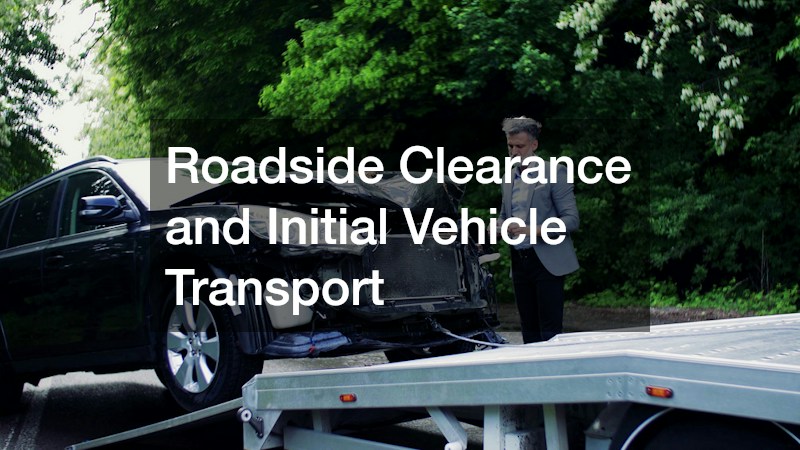
Clearing a heavily damaged vehicle from an active roadway requires specialized equipment. Transporting a compromised automobile from the crash site to a secure holding facility or repair facility demands careful handling to prevent secondary damage.
Managing Vehicle Removal
Severe collisions frequently render vehicles completely non-drivable due to crushed suspension components, breached radiators, or locked drivetrains. Attempting to roll or drive a severely damaged car off the road can cause irreversible frame, transmission, or engine damage.
When the police request clearance, specify where you want your vehicle taken rather than allowing it to be hauled to an arbitrary impound yard, which often accrues heavy daily storage fees. Utilizing professional emergency towing ensures that flatbed recovery operators use appropriate rigging, soft-straps, and winching protocols designed to haul disabled vehicles without inflicting further structural harm to the chassis or undercarriage.
Securing Compromised Glass and Structural Components
A high-impact collision often shatters safety glass into thousands of granular pieces or cracks laminated windshields, compromising the structural integrity of the passenger cabin.
When a vehicle suffers structural twisting, windscreen frames can buckle, causing windshields to detach or pop out completely. Arranging prompt auto glass repair prevents rainwater, road dust, and weather elements from ruining interior electronics, leather upholstery, and safety modules while the vehicle sits in a storage yard awaiting professional damage appraisal. Securing these components immediately protects the vehicle’s interior systems from progressive environmental degradation.
Comprehensive Mechanical and Body Restoration
Restoring a vehicle after a major crash involves much more than pulling dents and applying fresh paint. Modern automobiles are complex structures engineered with advanced high-strength steels, aluminum alloys, integrated safety sensors, and computer-controlled drivetrains that demand meticulous technical expertise.
Assessing Undercarriage and Mechanical Integrity
Impact forces travel through the vehicle frame, transferring severe shock energy directly into mechanical components that may appear untouched from the outside.
-
Engine and Drivetrain Diagnostics: Heavy frontal or side impacts often displace the engine on its mounts, severing wiring harnesses, cracking intake manifolds, or puncturing oil pans. A specialized engine repair service must perform complete diagnostic scans, pressure tests, and mechanical measurements to detect hairline block cracks, internal valve train misalignments, or cooling system fractures before any attempt is made to restart the motor.
-
Frame and Unibody Realignment: Modern vehicles utilize unibody construction designed to absorb impact energy through engineered crumple zones. Specialized technician teams use computerized three-dimensional laser measuring systems to pull, align, and square the frame back to strict factory tolerances.
-
Suspension and Steering Calibration: Collisions frequently bend control arms, snap tie rods, and damage steering racks. Comprehensive auto body repair must include replacing bent suspension geometry and realigning wheels to ensure predictable handling and prevent rapid, dangerous tire wear.
Selecting Qualified Repair Facilities
You have the legal right to choose where your vehicle is repaired. You are not obligated to use the lowest bidder or the facility recommended by an insurance provider.
Investigate local auto body shops to verify their certifications, equipment standards, and technician training credentials. Look for facilities holding I-CAR Gold Class recognition or manufacturer-specific repair certifications, which indicate that technicians receive continuous training on high-voltage systems, advanced metals, and modern calibration methods.
When consulting with a body shop manager, insist on the use of Original Equipment Manufacturer (OEM) parts rather than low-grade aftermarket replacements. OEM components are manufactured using the exact metallurgy, structural tolerances, and anti-corrosion treatments required to preserve the vehicle’s original crash safety rating.
Insurance Claims and Aesthetic Refinement
Navigating the administrative side of a severe collision requires diligence, patience, and meticulous record-keeping. Communicating clearly with claims representatives while overseeing the full scope of vehicle restoration ensures that your asset is returned to pre-loss condition without out-of-pocket losses.
Managing Claims and Policy Details
Initiate the claim process as soon as your medical condition stabilizes. Prompt reporting prevents administrative delays and allows claims adjusters to inspect the vehicle while physical evidence remains clear.
Contact your designated auto insurance agency to provide the official police report number, date, time, location, and the contact information of all parties involved. Stick strictly to facts regarding how the incident occurred. Avoid expressing opinions on fault or signing liability releases before the full extent of vehicle damage and medical injuries is thoroughly documented by qualified experts.
Maintain a dedicated binder or digital folder containing every document related to the event:
-
Official police accident report copies
-
Itemized medical evaluation records and treatment bills
-
Detailed repair estimates, line-item invoices, and parts receipts
-
Towing invoices and daily rental car receipts
-
Written communications and claim numbers provided by insurance adjusters
Restoring Aftermarket and Specialized Features
Standard insurance estimates often focus strictly on primary mechanical and body components, frequently overlooking custom modifications, protective films, or aftermarket enhancements installed prior to the crash.
During the repair phase, inspect every detail of the vehicle, including secondary surfaces that may have sustained damage from heat, flying glass debris, or structural distortion. If the collision damaged glass panels that featured specialized solar films, ensure the repair order specifies professional auto window tinting to match the rest of the vehicle’s windows in color, shade percentage, and thermal performance. Including these details in the original repair estimate guarantees that your vehicle emerges from the restoration process completely unified in appearance and utility.
Protecting Legal Rights and Financial Recovery
Severe collisions frequently result in complex legal challenges, disputed liability, substantial medical bills, and long-term financial impacts like vehicle diminished value. Knowing when to engage professional legal counsel protects your long-term financial well-being.
Understanding Complex Liability and Personal Injury Claims
When a collision involves severe bodily harm, missed work, or extensive property damage, dealing directly with third-party insurance adjusters can put you at a distinct disadvantage. Insurance companies employ teams of adjusters, risk managers, and defense attorneys whose primary objective is minimizing payout obligations.
Retaining an experienced car accident attorney levels the playing field. A legal advocate handles all communications with insurance companies, hires accident reconstruction specialists to establish liability, gathers medical records, and calculates the true long-term costs of your recovery, including future medical care and lost earning capacity.
Handling Commercial Vehicle Collisions
Collisions involving commercial semi-trucks, delivery fleets, or municipal vehicles introduce a layer of legal and regulatory complexity far beyond standard passenger car accidents.
Commercial incidents are governed by strict federal and state transport regulations, including driver log limits, mandatory inspection protocols, and weight limits. Partnering with skilled truck accident attorneys is essential in these scenarios because commercial operators and their corporate insurers move quickly to protect their interests. Experienced commercial transport litigators act rapidly to issue formal spoliation letters, preserving critical evidence such as onboard Electronic Logging Devices (ELDs), telematics data, dashcam footage, and fleet maintenance logs before data is overwritten or destroyed.
Moving Forward After a Severe Crash
Recovering from a severe roadside collision requires time, patience, and a methodical approach. By prioritizing immediate physical safety on the road, carefully documenting scene evidence, choosing certified repair professionals, and securing qualified legal counsel when necessary, you can successfully navigate the physical, financial, and legal complexities of a major crash. Maintaining control over each phase of the process ensures that your health, your financial security, and your vehicle are fully protected.

About the Author