
Owning a vehicle represents a major financial commitment. For most households, it is the second-largest investment they will ever make, surpassed only by a home. Consequently, maximizing its operational lifespan becomes a primary goal. While reaching one hundred thousand miles was once a major milestone, modern engineering allows vehicles to routinely surpass two hundred thousand miles with structured care. Achieving this level of exceptional durability requires a comprehensive protection strategy that treats the vehicle as an interconnected system of mechanical components and structural elements rather than a collection of separate parts.
When a car rolls off the factory floor, its components operate in perfect harmony. Over time, environmental stressors, daily driving habits, and natural material degradation begin to take a toll. To counteract this steady decline, owners must look beyond basic checklists and adopt an active maintenance philosophy. This involves understanding how small adjustments prevent massive system failures down the road. Every mechanical component, from the engine to the smallest suspension bushing, depends on regular observation. Neglecting one area creates a negative domino effect, accelerating wear across seemingly unrelated systems. Managing routine automotive repairs with a proactive mindset ensures that minor mechanical anomalies never develop into catastrophic failures that compromise passenger safety and vehicle value.
The Foundation of Mechanical Health: Essential Fluid Dynamics
The internal combustion engine operates under extreme pressures and scorching temperatures. Within the block, pistons move at thousands of revolutions per minute, creating immense friction. Lubrication acts as the primary barrier against wear, separating moving surfaces with a thin film of specialized oil that degrades over time. Continuous thermal cycling breaks down the molecular structure of the oil, reducing its necessary viscosity and diminishing its basic ability to protect vital internal components from metal-on-metal contact.
In addition to friction reduction, engine oil serves as a critical cleaning agent within the motor. It actively suspends microscopic debris, carbon deposits, and tiny metallic shaving particles, carrying them safely to the filtration system. As the miles accumulate, the oil filter becomes completely saturated, and the oil itself fills with suspended contaminants, rendering it abrasive rather than protective. For this reason, scheduling a consistent car oil change remains the most cost-effective insurance policy an owner can purchase. Adhering to manufacturer-recommended mileage intervals prevents the formation of thick engine sludge, which clogs internal oil galleries and starves overhead camshafts of vital lubrication. By prioritizing this straightforward maintenance task, drivers preserve fuel efficiency and protect internal seals.
Ensuring Stopping Power: Proactive Brake Maintenance
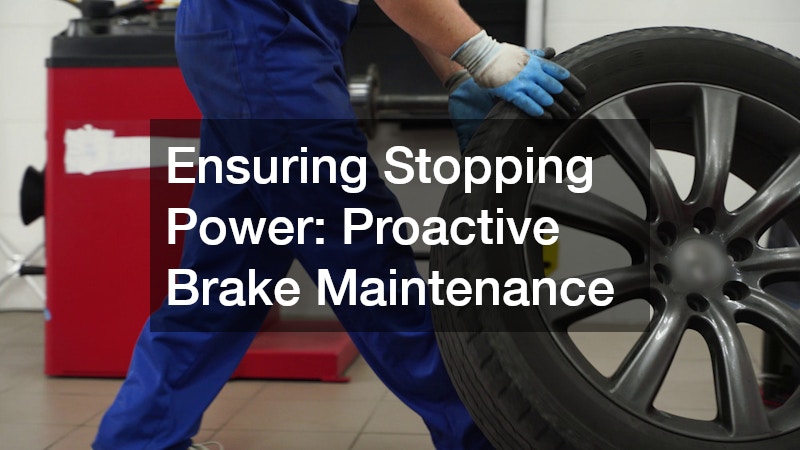
An automobile must accelerate reliably, but stopping safely remains its most critical attribute. Modern braking systems rely on hydraulic pressure to press high-friction pads against rotating steel rotors. This process converts kinetic energy into thermal energy to stop the vehicle. Because this system relies on deliberate friction, regular inspections are non-negotiable.
Over thousands of miles of urban driving, brake pads naturally thin out, losing their ability to dissipate heat effectively. When pads wear down past a critical threshold, the underlying steel backing plates make direct contact with the cast-iron rotors. This metal-on-metal contact causes immediate, severe damage, warping the rotors and drastically increasing stopping distances. Furthermore, brake fluid absorbs moisture from the atmosphere over time, lowering its boiling point and causing a spongy pedal feel during heavy use. Implementing a structured brake service sequence allows certified technicians to flush contaminated fluid, measure pad thickness, and lubricate caliper slide pins. This routine care guarantees that the entire hydraulic assembly responds instantly when a driver presses the pedal in an emergency scenario.
Diagnosing and Addressing Braking System Wear
Vehicles eventually display clear warning signs that braking components require professional intervention. Drivers might notice a high-pitched squealing sound caused by a built-in metallic wear indicator. Other signs include steering wheel vibrations or pulling to one side during braking. Ignoring these flags accelerates degradation, transforming simple pad replacements into expensive hardware overhauls.
When component wear compromises stopping safety, executing comprehensive brake repairs becomes the top priority for the vehicle owner. This process involves replacing worn-out friction pads and either resurfacing or replacing damaged rotors to establish a perfectly flat mating surface. Technicians must also examine the calipers for torn dust boots or fluid leaks that could seize the piston mechanism entirely. Addressing these physical issues immediately protects adjacent suspension parts from excessive heat transfer and vibrations. Keeping the braking system in peak operating condition prevents uneven tire wear and relieves undue stress on the vehicle’s front suspension geometry, directly supporting the car’s overall structural longevity over its operational life.
Navigating the Modern General Service Facility
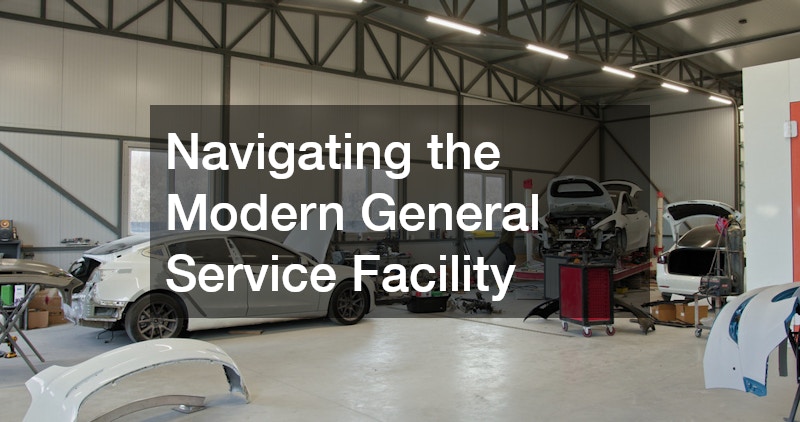
The relationship between an owner and their mechanic is a cornerstone of vehicle longevity. As modern automobiles integrate advanced onboard computers, DIY mechanical work becomes increasingly difficult. Modern diagnostics require specialized scanning tools, software updates, and precise torque specifications unavailable to hobbyists. Consequently, establishing a relationship with a fully equipped facility keeps a vehicle running smoothly.
When selecting a professional car repair shop, drivers should look for clear indicators of technical competence and customer service integrity. High-quality facilities employ certified technicians who undergo continuous training to stay current with rapidly changing automotive technologies. These facilities invest heavily in modern diagnostic equipment, allowing them to pinpoint complex electrical faults or minor mechanical irregularities before they trigger a dashboard warning light. A transparent shop provides detailed written estimates, explains necessary procedures clearly, and returns old components to demonstrate exactly why a fix was required. Finding a reliable partner ensures a consistent maintenance history, which also boosts future resale value.
Preserving Structural Integrity: The Importance of Collision Diagnostics
While internal mechanical components demand constant attention, the physical shell of the vehicle requires equal vigilance from the owner. The structural frame and outer body panels do more than just protect passengers from wind and rain; they form a complex safety cell engineered to manage extreme impact forces. Even minor low-speed collisions can disrupt this delicate structural balance, causing hidden frame misalignments that accelerate tire wear and compromise future crash performance.
Addressing structural issues early prevents minor surface blemishes from turning into destructive rust issues. Seeking specialized auto body repair services after an accident guarantees that the vehicle’s frame alignment returns precisely to factory specifications. Technicians use computerized measuring systems to pull bent metal back into place, restoring the energy-absorbing capabilities of the vehicle’s crumple zones. Beyond safety, repairing dented panels and deep paint scratches seals out moisture, road salt, and atmospheric contaminants that trigger rapid oxidation. Maintaining structural integrity protects the underlying mechanical systems, ensuring the vehicle’s chassis remains rigid and tracking perfectly straight down the highway.
Restoring Functionality to Moving Body Panels
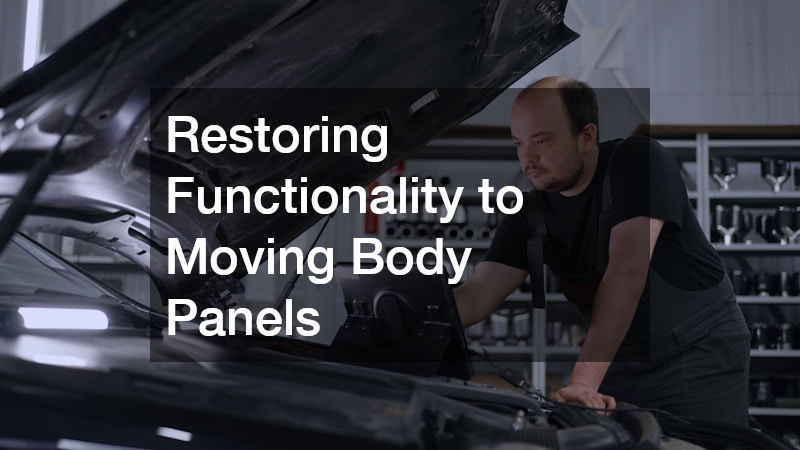
A vehicle’s exterior consists of various moving panels that experience constant mechanical use throughout their operational life. Doors, hoods, and trunks rely on intricate networks of hinges, latches, weatherstripping, and electronic actuators to function properly. Because these components move constantly, they suffer from mechanical wear, alignment shifts, and environmental exposure that can degrade their smooth operation over time.
A misaligned door does more than create an annoying whistling noise at highway speeds; it allows rainwater to bypass defensive weatherstripping and leak into the passenger cabin. This moisture trapped under carpets creates a perfect breeding ground for mold and rusts out floorboards from the inside out. Investing in a professional car door repair fixes sagging hinges, restores proper latch engagement, and seals the passenger cabin against the elements. Correcting these panel alignments prevents issues with power window regulators and electronic locking mechanisms. Keeping every moving panel functioning smoothly prevents structural rattles, preserves safety margins, and keeps the daily driving experience comfortable and quiet.
Advanced Exterior Protection: Shielding the Clear Coat
Once the internal mechanical components and structural body panels are functioning perfectly, focus must turn toward protecting the vehicle’s outer finish. Automotive paint consists of a base color coat topped with a clear protective layer designed to block environmental damage. However, this factory’s clear coat faces a constant assault from ultraviolet radiation, industrial fallout, bird droppings, and acidic rainfall, all of which cause premature oxidation and eventual paint failure.
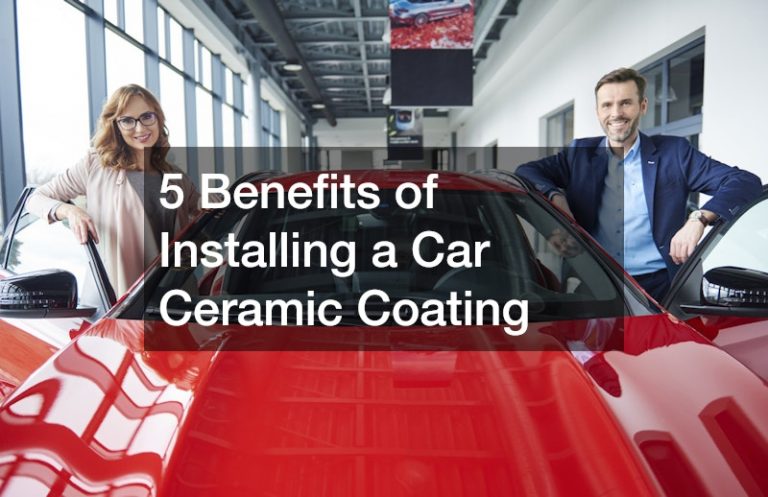
Traditional organic waxes provide short-term gloss, but they wash away quickly under normal driving conditions and heat exposure. Modern surface science offers a superior solution through the application of a semi-permanent liquid polymer layer. Once applied, a professional ceramic coating chemically bonds with the factory clear coat, creating an ultra-hydrophobic barrier that easily repels water, mud, and road grime. This protective shield prevents harmful contaminants from etching into the paintwork, making routine washes incredibly easy and reducing wash-induced swirl marks. By reflecting damaging ultraviolet rays, this advanced treatment keeps the paint vibrant and deep for years, protecting the vehicle’s aesthetic look and resale value.
Sourcing Professional Finish Restoration

Applying advanced paint protection or correcting deep structural imperfections requires skills and specialized equipment that go far beyond standard garage tools. Paint booths must maintain sterile, dust-free environments with precise temperature controls to allow automotive finishes to cure correctly. Similarly, heavy structural frame pullers require reinforced concrete flooring and high-pressure hydraulic lines to manipulate automotive-grade steel safely.
For these reasons, car owners must find a highly competent local auto body shop to manage exterior paint restoration and major body preservation projects. A well-regarded facility features specialized technicians who understand the distinct behaviors of modern lightweight aluminum, carbon fiber composites, and traditional high-strength steel. These experts utilize advanced computerized paint-matching cameras to ensure new finishes match the existing factory paint perfectly. Partnering with a dedicated regional specialist gives owners access to top-tier equipment and structural guarantees that keep the vehicle looking pristine while preserving its long-term market value.
The Art of Vintage Restoration and Preservation
The preservation strategy shifts dramatically when handling historic, antique, or special interest muscle cars. Vintage vehicles lack the automated electronic diagnostics found in modern daily drivers, relying instead on analog mechanical engineering. Maintaining these older machines requires specialized mechanical intuition, an understanding of legacy carburetor systems, and knowledge of obsolete ignition points.
An owner managing a vintage vehicle must enlist a specialized classic car mechanic who understands the distinct needs of legacy powertrains. They recognize how subtle differences in historical assemblies impact overall driving dynamics. These vintage cars require specific high-zinc motor oils to protect flat-tappet camshafts from premature wear, a consideration completely absent in modern engines. Furthermore, sourcing replacement components often requires hunting through specialized parts networks or custom-fabricating elements from scratch to maintain historical accuracy. A specialized vintage technician knows how to tune multi-carburetor setups by ear and handle manual drum brakes on roadworthy vehicles. A classic expert ensures the specific vehicle remains fully operational, road pieces rather than static, degrading museum objects.
The Financial Benefits of Preventive Car Care
Maintaining a vehicle methodically yields significant financial advantages that go beyond preventing unexpected breakdowns. When owners invest in routine maintenance and timely aesthetic updates, they significantly slow down the natural depreciation process. A vehicle with a fully documented service history and an immaculate exterior commands a much higher premium on the private resale market compared to neglected counterparts. Furthermore, consistent upkeep minimizes the need for emergency towing services and expensive rental car arrangements during extended workshop visits. Ultimately, treating vehicle preservation as an ongoing investment rather than an inconvenient expense ensures that drivers get the maximum utility and financial return from their automotive assets.
Executing Your Comprehensive Longevity Plan
Maximizing vehicle longevity is not achieved through a single maintenance visit or a solitary emergency repair job. It requires a disciplined, structured approach that balances internal mechanical health with external structural protection. By viewing the automobile as an integrated ecosystem, drivers can plan regular fluid changes, track friction wear, correct minor body panel alignments, and protect exterior paint finishes systematically.
This structured care directly saves money by preventing minor issues from ballooning into complex, multi-system failures. Over time, consistent care pays massive dividends in absolute safety, driving comfort, and high long-term resale value. Taking the time to build partnerships with certified general mechanics, specialized structural technicians, and historic vehicle experts ensures a vehicle remains reliable for miles to come. With proper observation, timely adjustments, and proactive maintenance, any well-built car can continue to perform safely, efficiently, and beautifully for decades to come.
About the Author