How Heavy-Duty Vehicles Power Waste, Transport, and Specialized Service Companies
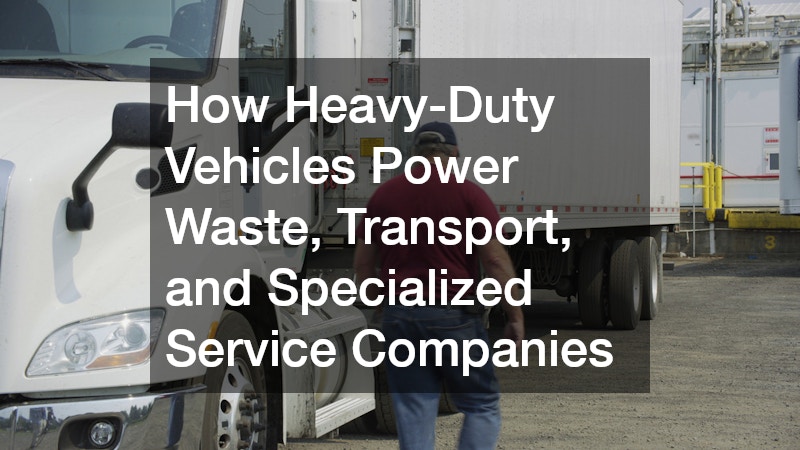

Heavy-duty vehicles are the backbone of countless industries that keep cities running, businesses operating, and communities functioning efficiently. From hauling construction debris to transporting patients and maintaining critical infrastructure, these vehicles are essential to a wide range of specialized service companies. While they often go unnoticed in everyday life, the work they support is anything but small.
Businesses that depend on large trucks, specialized machinery, and durable engines rely on performance, reliability, and efficiency to get the job done. Whether it’s a fleet navigating tight urban streets or equipment operating on rugged job sites, the role of heavy-duty vehicles is central to modern service operations.
The Foundation of Waste Removal and Site Cleanup
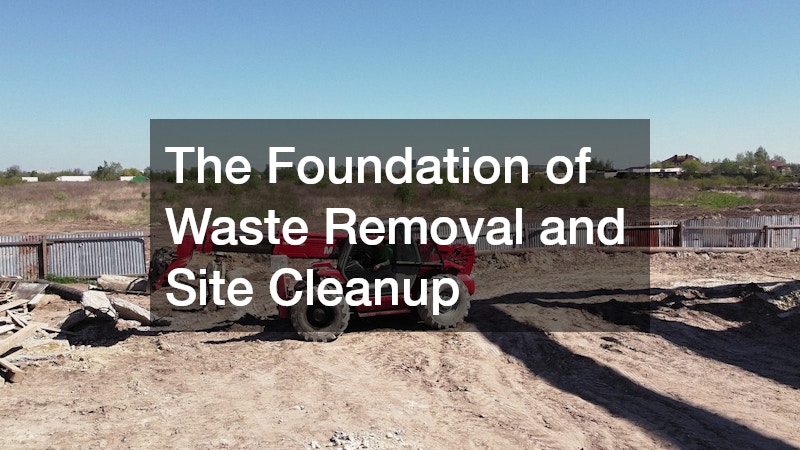
Waste management is one of the most visible industries powered by heavy-duty vehicles. Large trucks are responsible for collecting, transporting, and disposing of debris from residential, commercial, and industrial sites. Companies that provide roll-off containers and hauling services depend on vehicles capable of lifting, carrying, and dumping heavy loads safely.
For example, dumpster rental companies rely on specialized trucks with hydraulic systems designed to handle massive containers. These vehicles must be strong enough to transport materials like construction debris, household junk, and industrial waste while maintaining safety and efficiency on the road.
In addition to general waste removal, environmentally focused services also depend on transportation infrastructure. Businesses involved in wood waste recycling use trucks to collect lumber scraps, tree debris, and construction byproducts, ensuring these materials are processed and reused rather than sent to landfills. Without reliable hauling equipment, these sustainability efforts would be far less effective.
Supporting Environmental and Disposal Services
Beyond construction and general waste, many industries require safe and regulated disposal of specific materials. This is where specialized service providers come in, often using customized vehicles designed for containment and transport. These vehicles are not only built for durability but also engineered with precision to meet strict environmental and safety standards. From sealed storage systems to temperature-controlled tanks, every detail is designed to prevent spills, contamination, and exposure during transit.
A local cooking oil disposal company, for instance, must collect used oil from restaurants and food service establishments. These vehicles are equipped with tanks and pumping systems to safely store and transport liquids without leaks or contamination. The process helps prevent environmental damage while supporting recycling initiatives that turn waste oil into usable products like biodiesel. In many cases, scheduled pickup routes are carefully planned to maximize efficiency and minimize disruptions to businesses. The collected oil is then transported to processing facilities, where it is filtered and repurposed, contributing to a circular economy that reduces overall waste.
Similarly, septic cleaning companies depend on vacuum trucks to remove waste from septic systems. These vehicles are engineered to handle hazardous materials, ensuring proper disposal and compliance with health regulations. The ability to safely transport this waste is critical for both environmental protection and public safety. Operators must be trained not only in vehicle handling but also in sanitation procedures and regulatory requirements. Each job involves careful coordination to ensure waste is removed, transported, and disposed of without posing risks to surrounding communities.
When issues arise within these systems, septic repairs often require additional equipment and transport support. Heavy-duty trucks carry tools, replacement parts, and machinery to job sites, enabling technicians to complete repairs efficiently. In more complex situations, excavation equipment may also be transported to access damaged components below ground. This level of preparedness allows service providers to respond quickly, reducing downtime and preventing further damage.
Across all of these services, the common thread is control—control over materials, movement, and environmental impact. Without specialized vehicles designed for these exact purposes, handling such sensitive waste streams would be far more dangerous, inefficient, and costly.
Keeping Infrastructure Running Smoothly
Infrastructure maintenance is another area where heavy-duty vehicles play a vital role. Many service providers rely on mobile work units that allow them to perform repairs and installations on-site.
Take AC repair contractors as an example. These professionals often travel with vans or trucks loaded with tools, parts, and diagnostic equipment. While their vehicles may not always be as large as those used in construction, they are still essential for transporting heavy components like compressors and HVAC units. The ability to quickly reach job sites and carry necessary equipment ensures timely service for residential and commercial clients.
In many cases, these service vehicles are customized to meet specific needs, with shelving, storage compartments, and power systems that support fieldwork. This level of organization and mobility allows technicians to work efficiently without returning to a central location for supplies.
The Role of Transport in Moving People and Goods
Heavy-duty vehicles are not limited to hauling materials—they are also crucial for transporting people. In industries where safety and reliability are paramount, specialized transport services depend on well-maintained fleets.
Medical transportation providers, for example, use vehicles equipped to handle patients with varying needs. From non-emergency transport vans to larger vehicles designed for mobility assistance, these fleets ensure individuals can access healthcare services safely. The reliability of these vehicles is critical, as delays or breakdowns can have serious consequences.
On the commercial side, a local moving company relies on box trucks and cargo vans to transport household goods and business equipment. These vehicles must balance capacity with maneuverability, allowing drivers to navigate neighborhoods while carrying heavy loads. Proper maintenance and efficient routing are key to ensuring moves are completed on schedule.
Equipment Supply and Job Site Operations
Behind every service industry is a network of suppliers providing the machinery and tools needed to complete large-scale projects. Businesses offering heavy equipment for sale play a significant role in supporting construction, waste management, and other sectors that depend on powerful machinery.
From excavators and loaders to cranes and specialized attachments, this equipment must be transported to job sites using heavy-duty trucks and trailers. The logistics involved in moving such machinery require careful planning and robust vehicles capable of handling extreme weights.
Once on-site, these machines often work in tandem with transport vehicles to complete tasks efficiently. For example, loaders may fill trucks with debris, which is then hauled away for disposal or recycling. This coordinated effort highlights the interconnected nature of heavy equipment and transportation.
The Importance of Maintenance and Reliability
No matter the industry, the performance of heavy-duty vehicles depends on regular maintenance. These machines are subjected to intense workloads, often operating in challenging conditions that can lead to wear and tear.
One of the most critical aspects of vehicle maintenance is ensuring the drivetrain remains in optimal condition. Transmission replacement is sometimes necessary when components fail due to heavy use. Given the demands placed on these vehicles, addressing such issues promptly is essential to avoid downtime and costly delays.
Fleet operators often implement preventative maintenance programs to monitor vehicle health, identify potential problems early, and extend the lifespan of their equipment. This includes routine inspections, fluid changes, and component replacements as needed.
Efficiency, Safety, and Compliance
Operating heavy-duty vehicles comes with a range of responsibilities, particularly when it comes to safety and regulatory compliance. Companies must adhere to strict guidelines governing vehicle operation, load limits, and environmental impact. These regulations are not just formalities—they are essential safeguards designed to prevent accidents, reduce wear on infrastructure, and minimize harm to the environment. From weight restrictions on highways to emissions standards for diesel engines, every aspect of operation is closely monitored to ensure accountability.
Drivers are typically trained to handle large vehicles safely, while businesses invest in technologies that improve efficiency and reduce risk. Features such as GPS tracking, route optimization, and advanced braking systems help ensure operations run smoothly. Many fleets also incorporate telematics systems that monitor driver behavior, including speed, braking patterns, and idle time. This data allows companies to coach drivers, improve fuel efficiency, and reduce the likelihood of accidents. In addition, regular safety training and certification programs help drivers stay up to date with best practices and evolving regulations.
Beyond driver performance, vehicle condition plays a critical role in safety. Routine inspections are required to check brakes, tires, lighting systems, and other essential components before vehicles are cleared for operation. Preventive maintenance schedules help identify issues early, reducing the risk of breakdowns on the road. For companies managing large fleets, maintaining detailed service records is often a regulatory requirement, ensuring transparency and accountability in case of inspections or incidents.
In industries dealing with hazardous materials or sensitive cargo, compliance becomes even more critical. Proper handling, secure transport, and adherence to disposal regulations are all essential for protecting both workers and the public. Vehicles may need specialized containment systems, labeling, and documentation to meet legal standards. Drivers may also require additional certifications to transport certain materials safely. Any failure to comply can result in serious consequences, including fines, legal liability, and environmental damage.
Ultimately, safety and compliance are not just about meeting regulations—they are about building trust. Customers rely on these companies to operate responsibly, communities depend on them to minimize risk, and employees count on safe working conditions. By prioritizing these standards, businesses ensure that their operations remain sustainable, efficient, and dependable over the long term.
Adapting to Modern Demands
As industries evolve, so too do the vehicles that support them. Advances in technology are leading to more efficient engines, improved fuel economy, and reduced emissions. Electric and hybrid options are also beginning to emerge, offering new possibilities for sustainability in heavy-duty transport.
At the same time, businesses are adapting to changing customer expectations. Faster service, greater transparency, and environmentally responsible practices are becoming standard requirements. Heavy-duty vehicles are being equipped with new features to meet these demands, from real-time tracking systems to enhanced safety technologies.
The Interconnected Nature of Service Industries
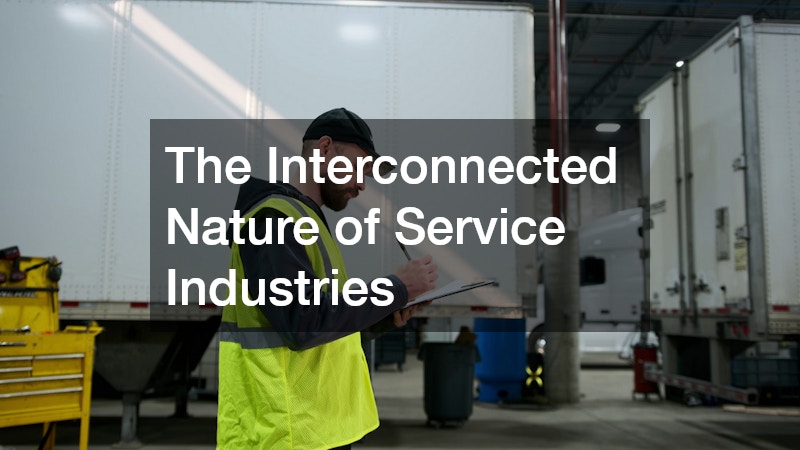
One of the most interesting aspects of heavy-duty vehicle use is how interconnected different industries are. Waste management, transportation, construction, and maintenance services often rely on each other to complete projects.
For example, a construction site may require equipment delivery, debris removal, and ongoing maintenance services. Each of these tasks involves specialized vehicles and skilled operators working together to achieve a common goal.
This interconnected system highlights the importance of reliability and coordination. When one component fails—whether it’s a vehicle breakdown or a delay in service—it can impact multiple aspects of a project.
The People Behind the Machines
While the vehicles themselves are impressive, they are only as effective as the people who operate and maintain them. Drivers, technicians, dispatchers, and logistics coordinators all play a role in keeping operations running smoothly. Each position requires a specific skill set, and together they form a coordinated system that ensures every job is completed safely and on time. Behind every successful fleet is a team that understands both the capabilities of the equipment and the demands of the industries they serve.
Drivers must navigate complex routes, manage tight schedules, and handle challenging conditions, all while ensuring safety. They often deal with unpredictable factors such as traffic, weather, and job site constraints, requiring quick decision-making and strong situational awareness. Beyond simply driving, they are responsible for inspecting their vehicles, securing loads properly, and communicating updates to dispatch teams throughout the day. Their role is critical in maintaining both efficiency and safety on the road.
Technicians work behind the scenes to keep engines, hydraulics, and critical systems in peak condition. Their expertise goes far beyond basic repairs—they diagnose issues, perform preventative maintenance, and ensure that every vehicle meets operational standards. In many cases, they must work under tight deadlines to get vehicles back on the road quickly, minimizing downtime for the business. Their knowledge of complex mechanical systems is essential for extending the lifespan of heavy-duty equipment.
Dispatch teams coordinate routes and timing, ensuring that every job is completed efficiently. They act as the central hub of communication, balancing workloads, adjusting schedules in real time, and responding to unexpected changes. Whether it’s rerouting a driver due to traffic or prioritizing an urgent service call, their ability to adapt keeps operations running smoothly. Strong organization and communication skills are key to managing these moving parts effectively.
In addition to these roles, management and support staff contribute by overseeing compliance, training, and overall strategy. They ensure that teams are equipped with the resources and knowledge needed to perform at a high level. Continuous training programs help employees stay updated on new technologies, safety protocols, and industry regulations.
This human element is what brings the entire system together. Without skilled professionals, even the most advanced vehicles would be unable to deliver the level of service that businesses and communities rely on every day. It’s the combination of experience, coordination, and accountability that transforms powerful machines into reliable, efficient operations that keep essential services moving forward.
When the Engines Stop, Everything Stops
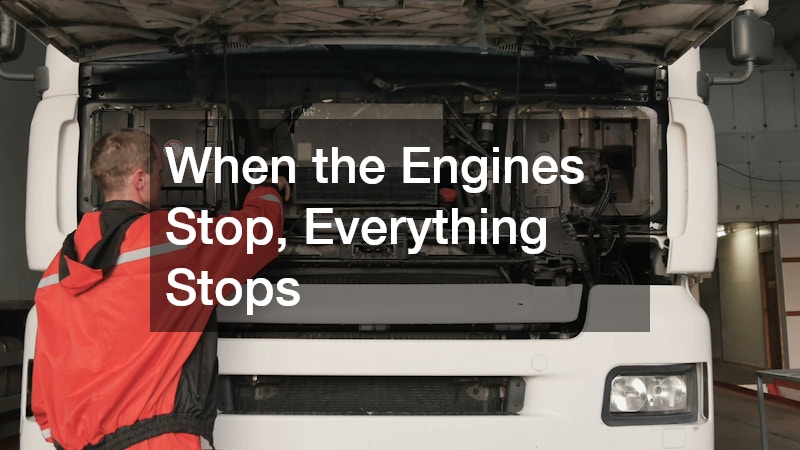
It’s easy to overlook heavy-duty vehicles when they’re doing their job well. They blend into the background—hauling, transporting, lifting, and delivering without drawing attention. But the moment they stop, the impact is immediate and widespread.
Construction projects stall. Waste piles up. Critical services are delayed. Businesses lose time and money. Communities feel the disruption almost instantly.
That’s the real story behind these machines. They are not just tools; they are the moving force behind entire industries. Every load carried, every mile driven, and every job completed is part of a much larger system that keeps modern life functioning.
From early morning service calls to late-night hauls, heavy-duty vehicles are constantly in motion, powering the work that most people never think twice about. And while they may not always be visible, their impact is everywhere—on every street, at every job site, and in every service that depends on strength, reliability, and the ability to keep moving forward.

About the Author